'Zombie cells' may drive aging, and scientists are devising new ways to get rid of them
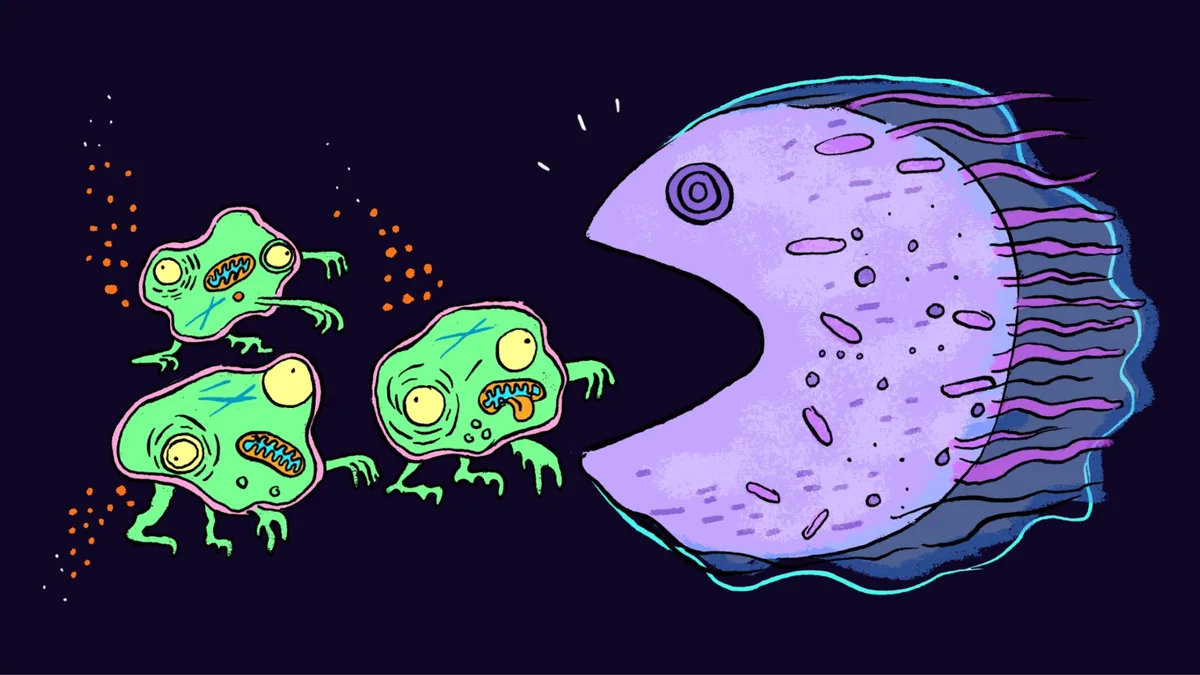
Emerging treatments aim to reverse or stall signs of aging in the body and thus cut the risk of age-related diseases.
One of those signs is an accumulation of "zombie cells" — damaged cells that spew harmful substances rather than dying off and getting cleared away by the immune system.
Some scientists are designing treatments aimed at killing those zombies directly.
But what if we instead helped the body's cleanup crew get rid of them? "I think rejuvenating the immune system could rectify a lot of problems," said Roel de Maeyer , an immunologist at the University of Oxford.
"We know hospitals are full of older people suffering from infections that younger people don't need to go to [the] hospital for." The aim of these rejuvenating therapies would be to help people live healthier for longer, he told Live Science.
How do cells turn into zombies? The immune system constantly gets rid of old, dysfunctional and dead cells to keep tissues healthy, but that cleanup gets less effective with age.
When cells die, they display proteins on their surfaces that act as "eat me" signals for immune cells, called macrophages , to engulf and destroy them.
However, some cells refuse to die and instead become senescent .
These zombified cells can lurk in tissues for years, releasing chemicals that drive inflammation and damage.
Senescent cells can form due to DNA damage from oxidative stress , radiation, or even normal cell division.
Cells lose bits of DNA each time they make copies of themselves, and they have intricate mechanisms to decide when it becomes a "bit too dangerous to keep dividing," de Maeyer said.
If a cell can no longer divide, it usually undergoes a process called programmed cell death or becomes senescent, he said.
Senescence can be beneficial in some contexts; it helps heal wounds , for example.
But an accumulation of senescent cells is linked to damaging inflammation and impaired organ function.
5News aggregated this summary from the outlet’s public feed. The full article, with all the context, is on www.livescience.com — the content belongs to Live Science.