20 Years After Virginia Tech, We Can Do More to Keep Students Safe
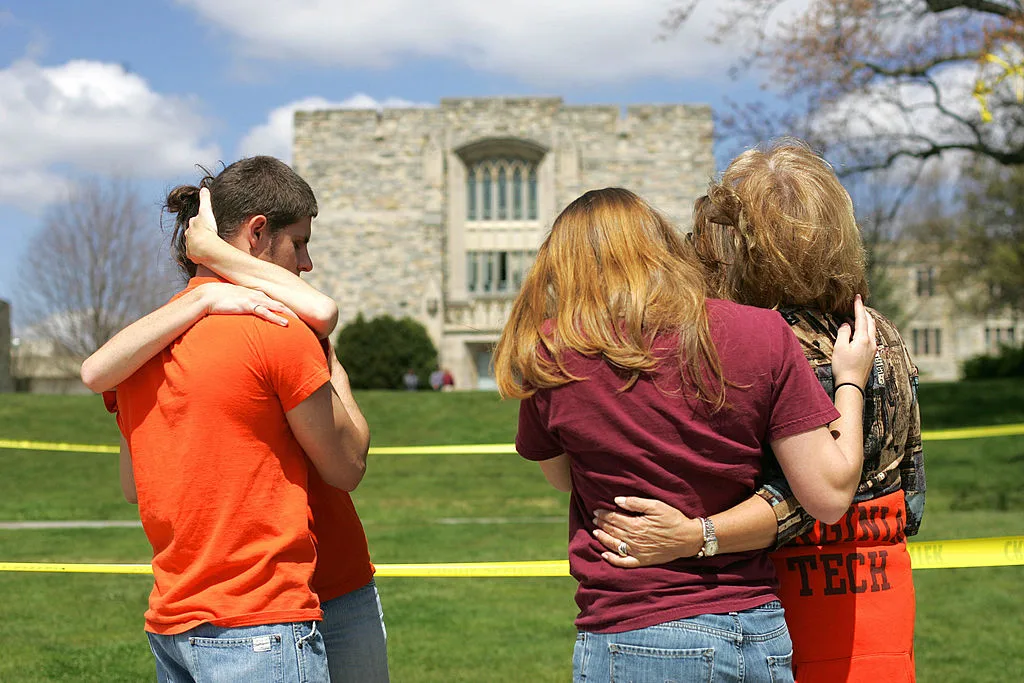
Students honor the victims of the massacre at Virginia Tech in Blacksburg, Va on April 20, 2006. —Tim Sloan—AFP via Getty Images Every August, our country celebrates new beginnings.
Families fill cars with bedding, desk lamps, laptops, notebooks, and high hopes.
Students decorate dorm rooms and imagine the people they will become, while parents drive away with a mix of beaming pride and quiet, heavy lumps in their throats.
Every August, I go back to 2006.
Twenty years ago this fall, I helped my daughter, Reema, begin her freshman year at Virginia Tech.
I remember believing she had her whole life ahead of her.
Like every parent, I assumed the biggest challenges she would face would be exams, homesickness, and choosing a major.
My family could never have imagined that eight months later, she would be among the 32 people killed in her classroom on April 16, 2007, coming home in a mortuary van.
In the years since, mass violence has become a recurring nightmare in American life.
Yet every August, millions of parents still make that same drive, entrusting their children to colleges and universities across the country.
No parent should have to make that journey wondering whether their child will come home safely.
We have learned a great deal since 2007.
We know more about recognizing warning signs, responding to mental health crises, and building stronger safety protocols on campus.
We know more about what proactive prevention requires.
5News aggregated this summary from the outlet’s public feed. The full article, with all the context, is on time.com — the content belongs to TIME.