The unbridled joy of printing your favorite photos
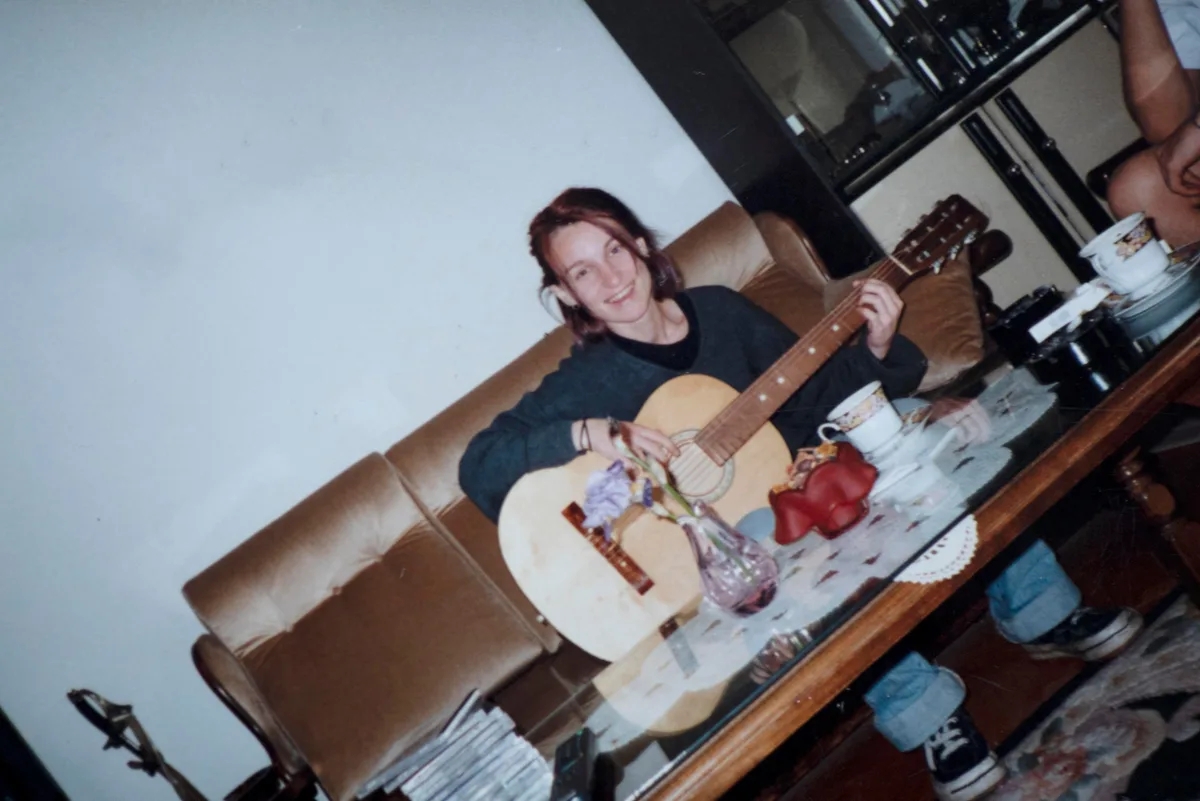
Like many people, I have a contentious relationship with the Memories feature on my iPhone, the AI-powered nostalgia machine that serves up photos and slideshows from deep in your camera roll, either reminding you of a beautiful day at the beach or surfacing an old photo of your ex.
About once a month, for whatever reason, my iPhone reminds me of the time my phone got stolen.
The Memory is a glitchy, fragmented one — an auto-generated slideshow of my first few years living in New York.
But because my phone was stolen, the photos in the slideshow are a random assortment of mislabeled JPEGs and grainy images I’d saved from Facebook, all somehow imported from my hard drive to my camera roll at some point and set to sentimental music.
I used to get mad that I didn’t back up my actual, treasured photos on a hard drive.
But now, I just wish I’d printed out the best ones and put them in a box.
That kind of thing can survive for generations.
We should all be printing our photos.
I’m not just talking about converting your camera roll into a stack of 4×6-inch glossy pieces of paper, either.
It’s actually easier than ever to turn the gigabytes of images we carry around in our pockets into physical objects, like albums and books and frames, the kind we can gather around to pore over and one day pass down to our children.
Even individual prints that we touch and hold can tell a story in a way that pixel on a screen never could.
Real photos are effectively embodied memories that we can casually encounter as we go about our daily lives.
And it’s not just because an algorithm decided to send us a push notification to go look at them, either.
“Printing photos in any form, whether it’s to hang on a wall or to hold in our hands, is effortful,” Brianna Marshall , dean of the Steely Library at Northern Kentucky University, told me.
5News aggregated this summary from the outlet’s public feed. The full article, with all the context, is on www.vox.com — the content belongs to Vox.