Sophie Cunningham and the WNBA culture wars
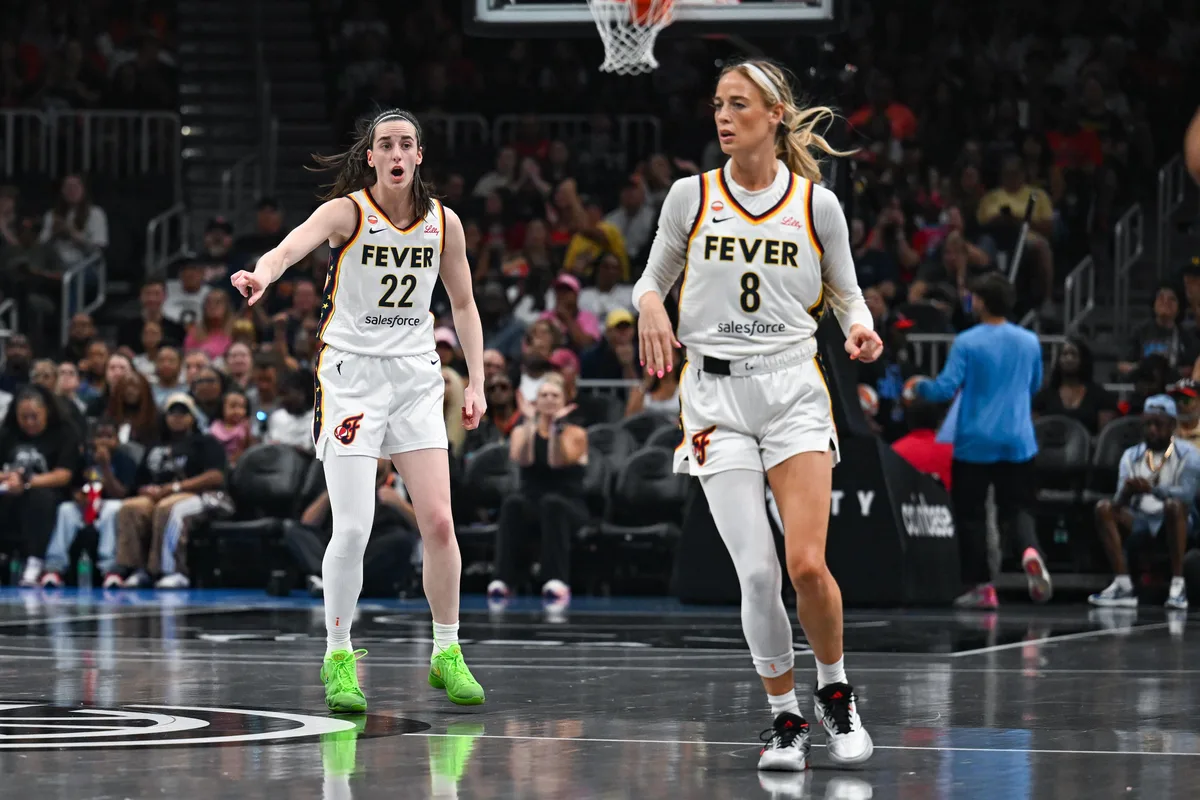
Indiana Fever players Caitlin Clark, left, and Sophie Cunningham, right, during a WNBA game against the Atlanta Dream on August 16, 2026, in Atlanta, Georgia. | Rich von Biberstein/Icon Sportswire via Getty Images On the court, the WNBA is thriving.
After 30 years, its players are receiving a historic payout , along with a massive TV distribution deal that will mean more games, and hopefully even more fans.
But off the court, all that attention has some downsides.
Most recently, it means that the culture war has come for the WNBA.
Specifically, the league has found itself at the center of a debate over transgender athletes and women’s sports, one that Indiana Fever guard Sophie Cunningham ignited last month.
Cunningham, 30, has gained a reputation as an “enforcer” for her All-Star teammate, Caitlin Clark.
In July, she told ESPN that “I think that I am here to extend love, but I also think that with love is truth, being honest.
And I want to protect young girls in a locker room or young girls in sport who shouldn’t have to go against biological men.” No known trans athletes have ever played in the WNBA, but that hasn’t much deterred pundits from weighing in.
It’s the latest instance of the WNBA playing a central role in conversations about race and gender — even as most of the outrage is happening outside the court, while players and coaches would rather focus on basketball.
To get a better sense of what’s going on in the league — and why — Today, Explained co-host Noel King spoke with Ringer staff writer Seerat Sohi , who covers the NBA, WNBA, and women’s college basketball, about why the WNBA can’t seem to escape the culture wars.
Below is an excerpt of their conversation, edited for length and clarity.
There’s much more in the full podcast, so listen to Today, Explained wherever you get your podcasts, including Apple Podcasts , Pandora , and Spotify .
What is it about the WNBA ? The WNBA is a league that invites, frankly, a lot of distraction, both because of its own institutional failures — I do think the WNBA really struggles at telling its own story and has at times run away from its own story — but I think in general, the WNBA has become fertile ground for the culture wars, as we put them, because the league has exploded in popularity at the same moment in the country where we are embroiled in this cultural, political, legal fight over what the role of women is in society.
Let’s break this down to the two pieces you mentioned.
5News aggregated this summary from the outlet’s public feed. The full article, with all the context, is on www.vox.com — the content belongs to Vox.