The U.S. stock market is having a Napster moment—the Robinhood-AMC fight is just the beginning
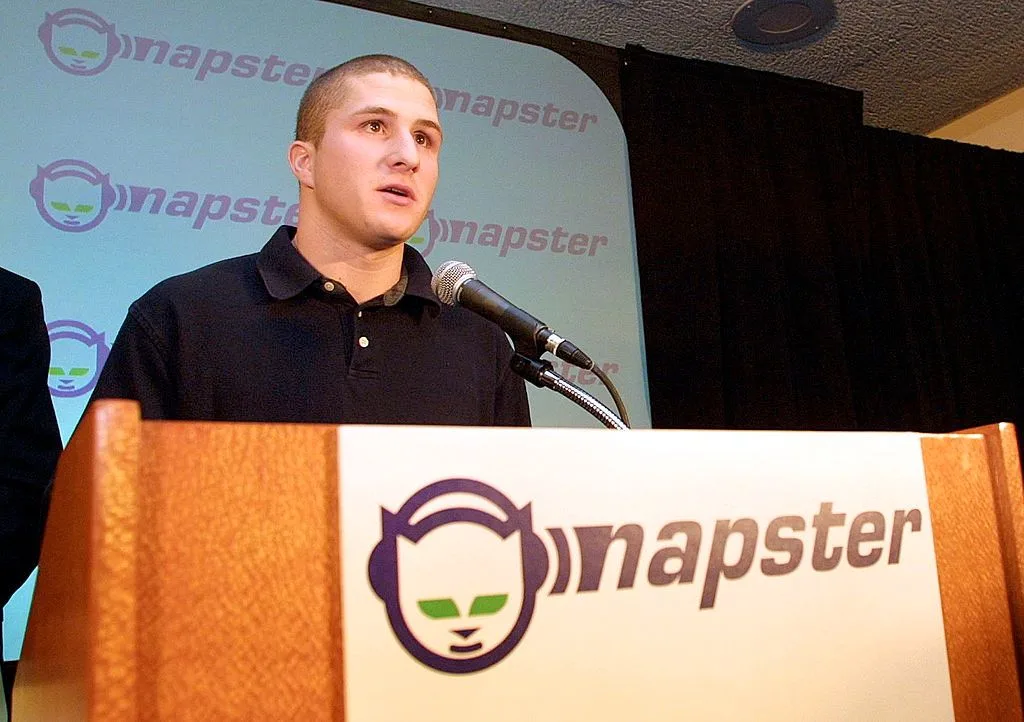
Twenty-five years ago, a massive technological disruption changed the music industry for good.
It came via Napster, a platform that let anyone share digital song files, and its sudden popularity upended a nearly century-old distribution model.
In response, musicians like Metallica and Dr.
Dre, along with their record labels, waged a fierce counter-attack, and drove Napster out of business.
But it soon became clear, there was no putting the tech back in the bottle.
Now, something similar is playing out in the brokerage industry as a result of another disruptive technology—blockchain—that is leading a growing number of companies to tokenize stocks.
This has been going on for a while, but the disruption posed by blockchain-based stocks made headlines last week after the CEO of AMC had a public tantrum accusing Robinhood of “contemptible, outrageous, disgusting, detestable, inexcusable, vile” behavior for putting its stocks on-chain without permission.
Robinhood’s CEO retorted that, just because a company issues a stock, it can’t totally limit what those who buy it can do.
Robinhood is right—sort of.
What the company is doing is buying batches of stock, creating a tokenized version of each share, and then offering contracts that provide customers with a financial claim on those tokens.
It’s an elegant legal arrangement, and one that creates new opportunities.
For starters, offering tokenized shares of AMC—and many other stocks—means it’s much cheaper and easier for people around the world to own U.S. equities.
While Americans can purchase shares of any company they like for negligible fees, that’s not the case for investors in Brazil or South Africa, or other places where trading commissions are steep and some stocks aren’t available at all.
For these customers, buying stock is much like it was buying music in the pre-Napster days—so it’s not a surprise tokenized stocks are proving popular in these markets.
5News aggregated this summary from the outlet’s public feed. The full article, with all the context, is on fortune.com — the content belongs to Fortune.