Why it may be impossible to eradicate feral hogs
The U.S. is spending millions to try and control feral hogs, but are those efforts in vain?
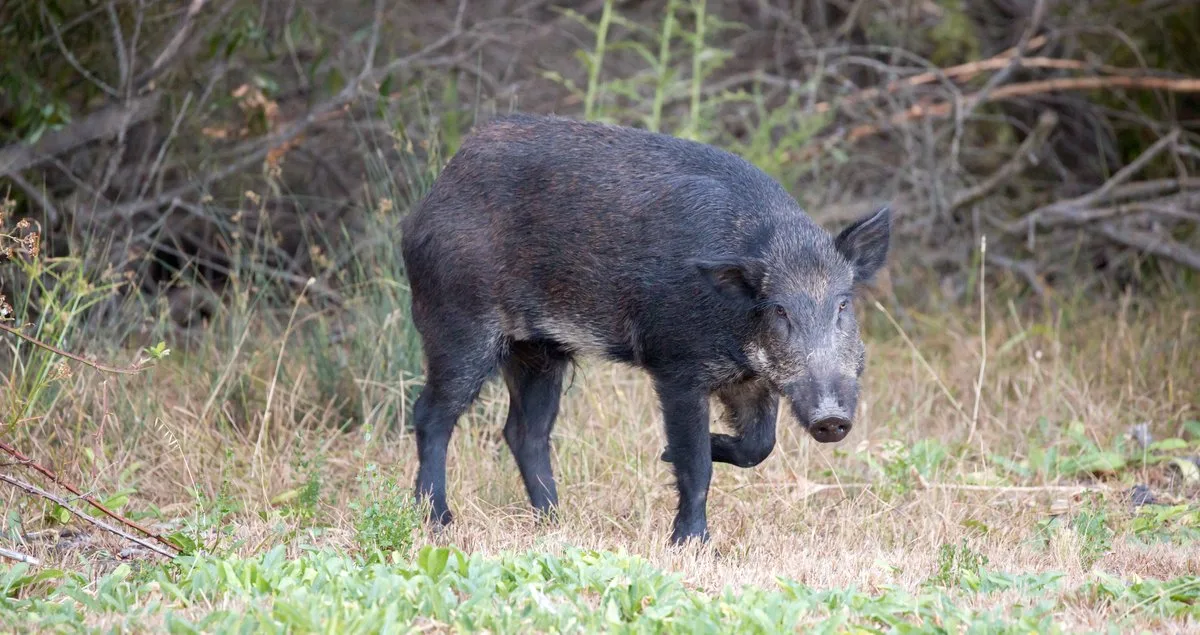
The federal government is injecting millions of dollars into efforts to combat feral hogs—and it’s considering spending even more in the coming years. The problem has grown for decades, but our research has found that a recently revived federal effort offers the potential for bringing the hogs under control.
Feral swine roam in 35 states , according to the U.S. Department of Agriculture. The most recent population figures, from 2016, estimated that 7 million feral pigs were loose in the nation then. That number may be much higher today: Feral hogs breed year-round and each year can produce up to two litters of four to 12 piglets per litter . Feral hog populations have been estimated to be able to double in just four months .
The U.S. Department of Agriculture estimates that wild pigs do between US$2.5 billion and $3.4 billion in property damage each year. At least $800 million of that is destruction of crops .
If you're enjoying this article, consider supporting our award-winning journalism by subscribing . By purchasing a subscription you are helping to ensure the future of impactful stories about the discoveries and ideas shaping our world today.
Beyond crops, feral hogs spread disease to livestock , damage farm infrastructure such as fences and roads needed for agricultural production, destroy recreational parks and cause extensive environmental damage to wildlife habitats, water quality and plant ecosystems.
They’re hard to control because feral hogs roam across large areas of privately owned land. If neighboring landowners don’t work together, the hogs just move rather than being killed or contained. Basic economic theory says landowners would wait for others to spend the time, money and energy to control hogs—which means nobody does, and the problems grow.
In the 2018 Farm Bill , a major piece of legislation covering wide areas of agricultural policy , Congress agreed to spend $75 million to encourage private landowners to step up together to kill feral hogs.
That program was active in selected counties in 10 hog-plagued states: Alabama, Arkansas, Florida, Georgia, Louisiana, Mississippi, North Carolina, Oklahoma, South Carolina and Texas. Starting in 2020, the U.S. Department of Agriculture funded private landowners’ purchases of trapping equipment, on-farm trapping efforts and restoration of land the hogs had damaged.
Originally slated to end in 2023, the program was given $105 million more to spend through 2029 in the major budget and immigration package Congress passed in July 2025. Through Sept. 21, 2026, the government is accepting grant applications for the first $35 million allocation from that money.
The Farm Bill that has passed the House and is awaiting debate in the Senate would increase that funding by $150 million and extend the effort through 2031 .
A useful question, before spending all that money, is how effective the first test of the program was.
5News aggregated this summary from the outlet’s public feed. The full article, with all the context, is on www.scientificamerican.com — the content belongs to Scientific American.