How to Increase Mental-Health Literacy
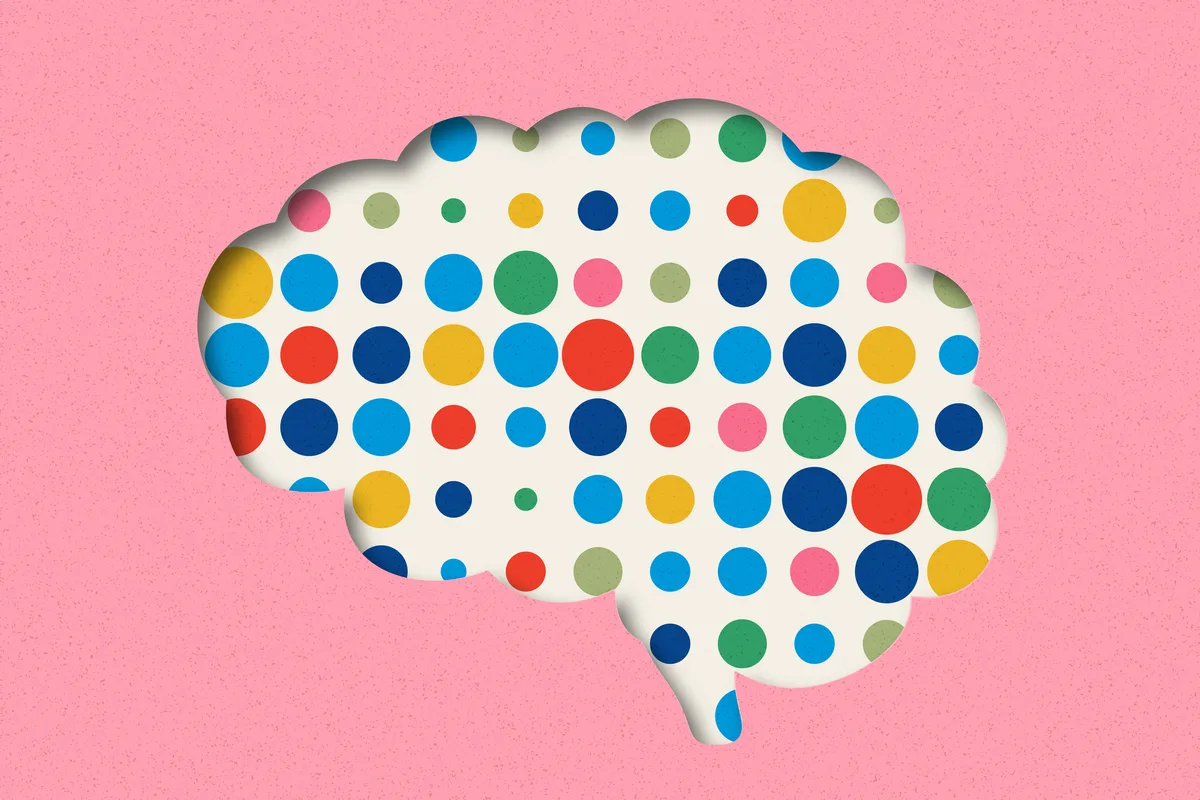
—aleksandarvelasevic—Getty Images Imagine that someone you love starts turning down opportunities to attend social gatherings like going to the movies, picnics, and parties.
Then this person stops responding consistently to your texts, avoids eye contact when you do get together, and seems to be losing their energy or spark.
They have trouble keeping up with daily routines and talk a lot about physical struggles such as headaches and stomach aches.
Something doesn’t feel right to you, but you’re not sure what is happening or what to do .
Imagine now if the person all these things are happening to is you.
Nearly one in seven people worldwide have a mental-health disorder.
With the prevalence of mental disorders so high, odds are we all know and love someone who is struggling.
But most of us have limited understanding of mental health, and sometimes misguided or inaccurate knowledge.
If we improve our understanding, this could help us better identify when we are in distress and get the help we need.
It can also potentially assist us in helping friends, family members, neighbors, and co-workers.
As a psychologist, I believe we could all benefit from increased mental-health literacy .
The concept of mental-health literacy was first coined in the mid-1990s by a group of Australian researchers who began a series of studies to understand the public’s knowledge about mental health.
Since then, extensive research on mental-health literacy has taken place in the U.S., Australia, Canada, the U.K., India, Japan, and elsewhere.
Data from 16 studies indicate two major trends in public awareness about mental health.
5News aggregated this summary from the outlet’s public feed. The full article, with all the context, is on time.com — the content belongs to TIME.