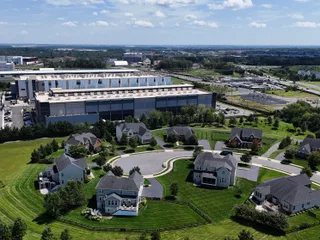
Data centers are bringing Americans together
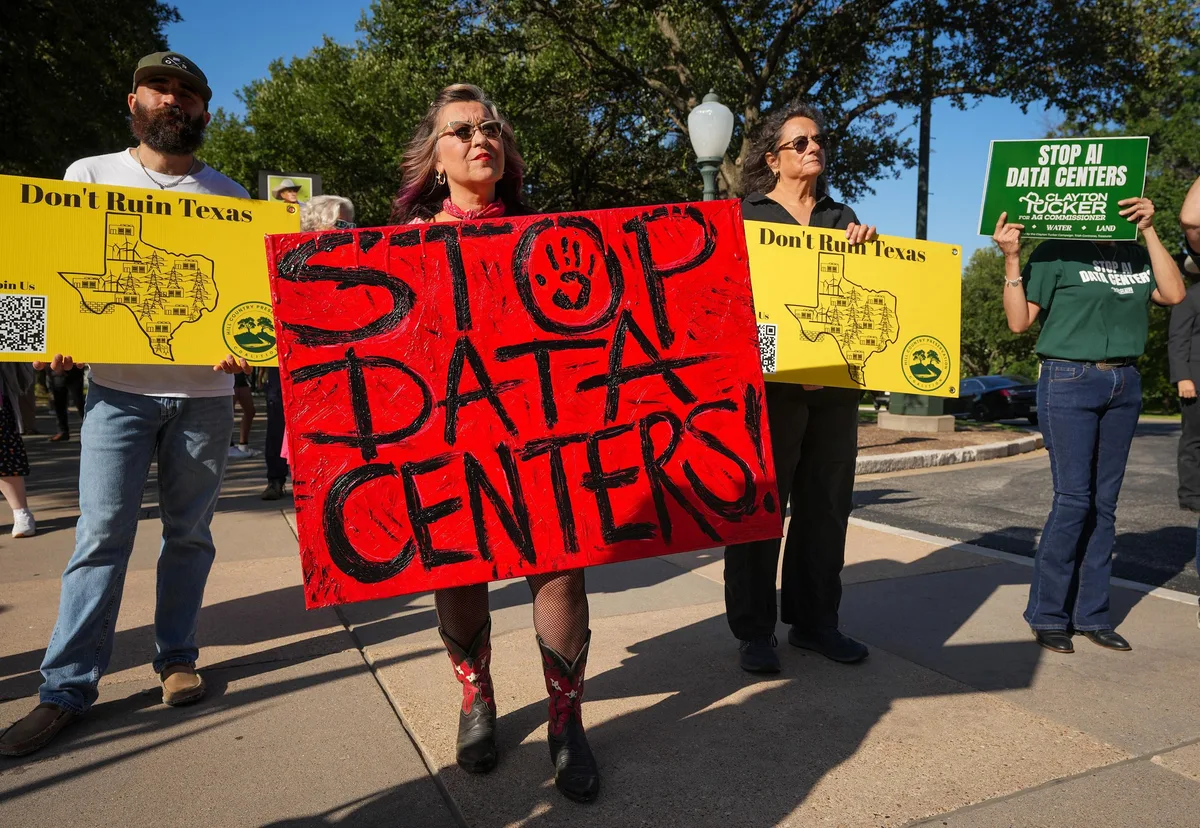
Protesters rally against data centers at the Texas State Capitol in Austin, Texas, on July 27, 2026. | Jay Janner/The Austin American-Statesman via Getty Images The data center backlash has entered the midterms conversation.
Politicians from across the spectrum have changed their minds — or at least their policy positions — about data centers in the past few months as public resistance to their construction has skyrocketed .
A major example is Texas, where just about one year ago, Republican Gov.
Greg Abbott was proclaiming that his state was the “epicenter of AI development.” Now, after months of grassroots organizing and community outcry, Abbott is pushing to slow the roll of new data centers in Texas.
He’s imposed a statewide moratorium on new construction pending an audit over the new connections to Texas’s power grid.
While he hasn’t explicitly said the change is tied to his reelection campaign this November, the pause is expected to last through the election.
As dramatic as Abbott’s about-face has been, he’s not alone: Democrats and Republicans alike are following suit.
Jeremy Merrill , a data reporter at the Washington Post, analyzed thousands of social media posts and newsletters to see what elected officials on both sides of the aisle are saying about data centers.
He spoke with Today, Explained co-host Noel King about his findings, what they say going into midterm elections, and how the backlash might change the way we think about what politicians owe to their constituents.
Below is an excerpt of their conversation, edited for length and clarity.
There’s much more in the full podcast, so listen to Today, Explained wherever you get podcasts, including Apple Podcasts , Pandora , and Spotify .
What did you find? Data centers didn’t used to be a big deal.
And now, almost all of a sudden, they’re a big issue.
Candidates are falling over themselves to sound tough about data centers.
5News aggregated this summary from the outlet’s public feed. The full article, with all the context, is on www.vox.com — the content belongs to Vox.