JUST TRANSITION OP-ED: How civil society safeguards South Africa’s energy future
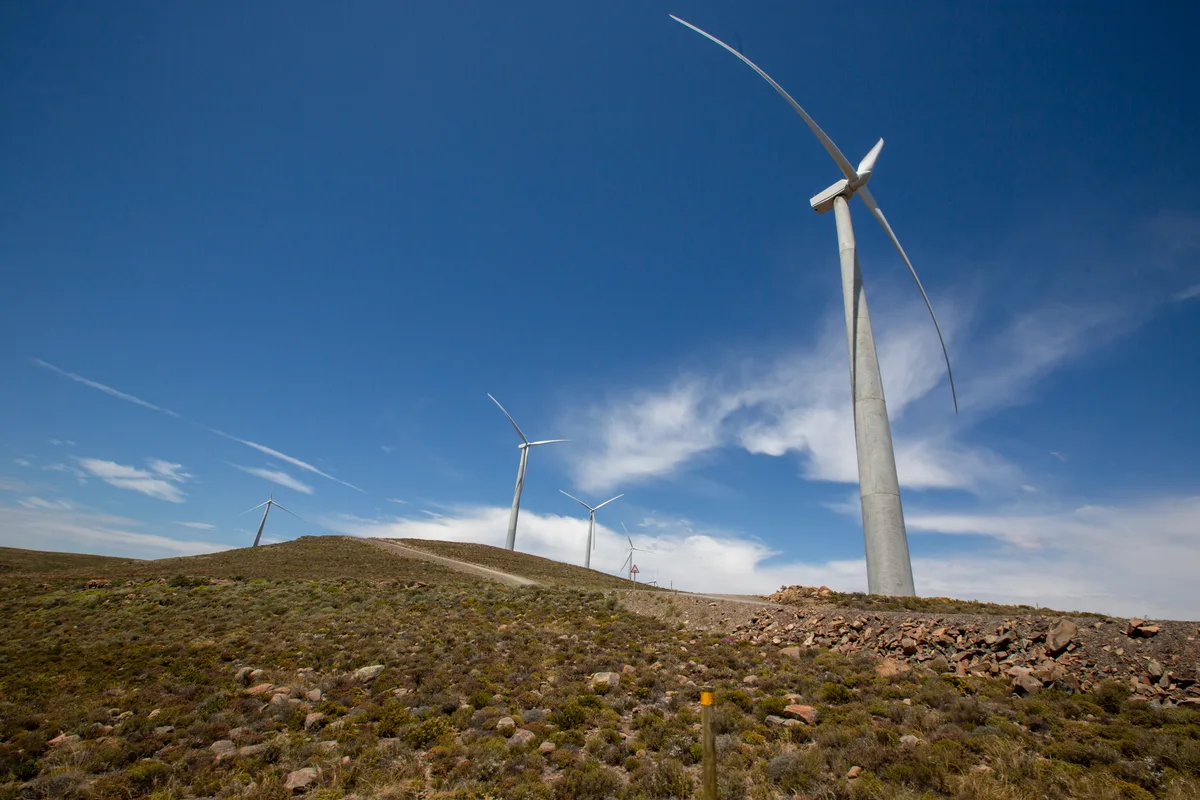
The country’s energy future needs to be affirmed through lawful acts that are evidence based, includes all its citizens and grounds the rights of future generations.
South Africa’s energy future is no longer determined only by government departments, new climate legislation, or even the Just Energy Transition Framework.
It is being hammered out in court by communities and non-profits stopping unlawful projects, protecting public funds and insisting that new projects are evidence-based and benefit – rather than bypass – the people they claim to serve.
The Constitutional Court’s recent judgment blocking Shell and Impact Africa’s Wild Coast exploration right is the latest in a string of cases where civil society has forced the state and industry to account over major energy projects.
If those cases had never been filed, South Africans would already be on the hook for billions in bad debt, locked into an unaffordable fossil-fuel path, and faced with enormous environmental damage.
That track record warrants consideration, as powerful interests continue to lobby against energy accountability. As Daily Maverick has exposed, South Africans for Constitutional Reform – a campaign founded and chaired by a nuclear industry communicator – has touted constitutional amendments to bring NPOs and NGOs under State oversight, limiting their capacity to litigate.
Meanwhile, Mineral Resources Minister Gwede Mantashe has accused environmental NGOs of having “veto power over development”, while telling an energy investment forum “drill baby drill”.
The evidence tells a different story. Transparency, public participation and lawful decision-making are not barriers to development – they are its foundation.
South Africa has committed to a Just Energy Transition (JET), away from coal, oil and gas toward renewable energy, while protecting workers and communities. The Climate Change Act now requires government policy to align with climate goals, and renewable energy’s contribution to electricity is growing.
Yet, 95% of the coastline has been mapped for fossil fuel exploration; a new state petroleum agency is being established; a gas bill is before Parliament, and the IRP 2025 – the latest electricity plan – still includes gas.
In this contested space, communities and civil society organisations are collaborating with the only tools that can hold power to account: constitutional rights, public participation and legal action.
Between 2013 and 2016, the Zuma administration pursued a secret deal to procure 9.6 GW of nuclear capacity at an estimated R1-trillion – a cost the National Treasury warned would cripple the fiscus. The agreement with Russia was negotiated in secrecy, bypassing the Treasury.
Earthlife Africa Johannesburg and the Southern African Faith Communities’ Environment Institute (Safcei) challenged the deal in the Western Cape Division of the High Court in Cape Town.
5News aggregated this summary from the outlet’s public feed. The full article, with all the context, is on www.dailymaverick.co.za — the content belongs to Daily Maverick.