The Twin Towers shaped the Manhattan skyline for decades. Now, it’s shaped by their absence
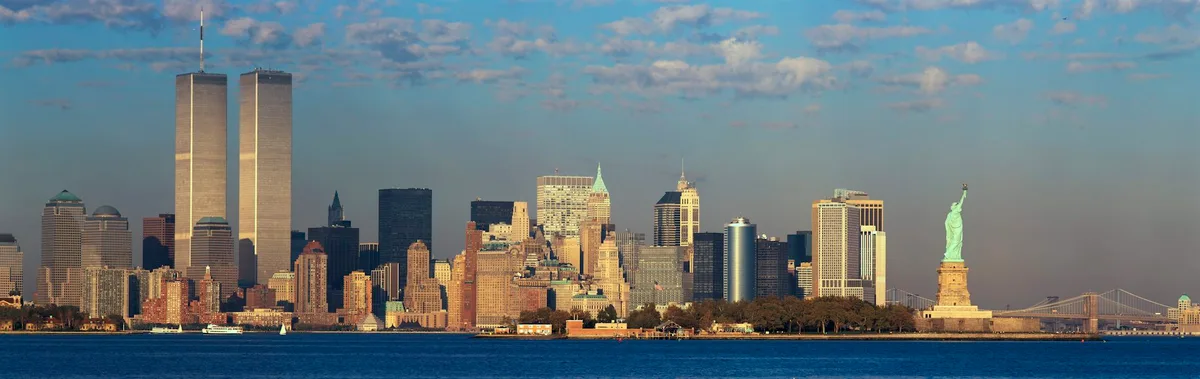
Joe Sohm/Visions of America/Universal Images Group via Getty Images At 10:28am on September 11 2001 New York City’s skyline was suddenly and dramatically altered.
The world watched television screens in horror as first the North Tower and then the South Tower collapsed, with the death of almost 3,000 people and the devastation of an entire city precinct.
Resilient New Yorkers responded to this shocking event and its aftermath with fortitude, quickly setting in train processes for memorials and the planning and construction of new towers.
That the Twin Towers’ replacement structures were so greatly anticipated points to how profoundly the gap left by the towers was felt and to the significance of the skyline as repository of a collective civic memory.
Shaping the skyline The image of New York’s skyline – both before and after 9/11 – is instantly recognisable, memorable for the density of its soaring skyscrapers.
But the skyline presents an idealised view of the city, removed from the grittiness experienced at street level.
For those who call the city home, images of the New York skyline trigger deep-seated memories .
For others, the skyline evokes stories told through literature, musical theatre, movies – art that cements its place in our collective consciousness.
There is consistency to these narratives, and to the meanings they embody.
That so many people draw similar conclusions is an indication of the strength of New York’s identity.
The competition for height was prompted by Elisha Otis’ invention of the safety elevator in 1853.
This elevator, which would automatically stop in place if the chains or ropes operating it broke, invited proprietors and architects to reach beyond the standard six stories.
It initiated an upwards trajectory signalling progress, business prowess and status.
An early instance of this battle occurred from the 1870s between three newspaper proprietors located on “ Newspaper Row ”.
5News aggregated this summary from the outlet’s public feed. The full article, with all the context, is on theconversation.com — the content belongs to The Conversation Australia.