Interest rates have gone up again. Why it won’t affect the prices that matter most
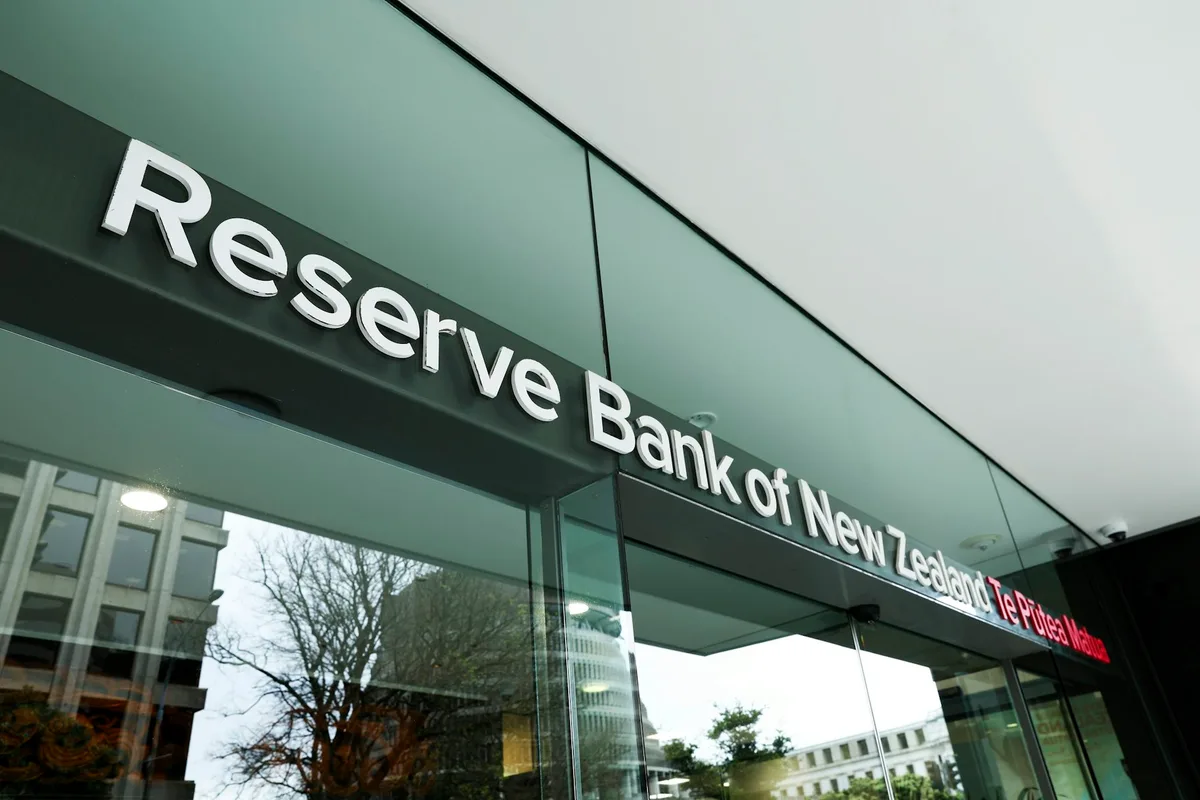
Hagen Hopkins/Getty Images As anticipated, the Reserve Bank of New Zealand has raised the official cash rate (OCR) by 0.25 basis points to 2.75%.
This was arguably the bank’s most closely watched policy announcement of the year.
Landing barely nine weeks before the November 7 election, the decision will ripple through mortgage rates, business confidence and household budgets.
But behind the headlines lies a harder truth: a large share of the inflation squeezing Kiwi households is being driven from offshore and isn’t something the OCR can influence directly.
Essentially, the OCR is a key tool for maintaining price stability.
Annual inflation hit 4.1% in the year to June, up from 3.1% in March.
That is well above the Reserve Bank’s 1–3% target band, designed to sustain economic growth and create jobs.
This is the fastest inflation increase in more than two years.
The bank had already flagged it in May , forecasting headline inflation would peak near 4% before easing, based on global oil prices rising because of the Middle East crisis.
By July, as oil prices cooled, the bank trimmed its peak forecast to 3.9% and lifted the OCR to 2.50% , its first hike in three years.
In May, the bank was projecting inflation easing to 3.3% by the September quarter, returning to the 2% by mid-2027.
These near-term forecasts remain highly uncertain, however, given the volatility of oil prices and supply chain disruptions to essentials such as fuel, food and fertilisers.
The question is therefore whether making borrowing more expensive for households and businesses is the best response to inflationary pressures coming from beyond New Zealand’s borders.
Events beyond our control Non-tradable inflation – the prices of goods and services produced and sold domestically – will respond to a higher OCR.
5News aggregated this summary from the outlet’s public feed. The full article, with all the context, is on theconversation.com — the content belongs to The Conversation Australia.