Thousands of Australians received infected blood, over decades. Now they’ll have their say
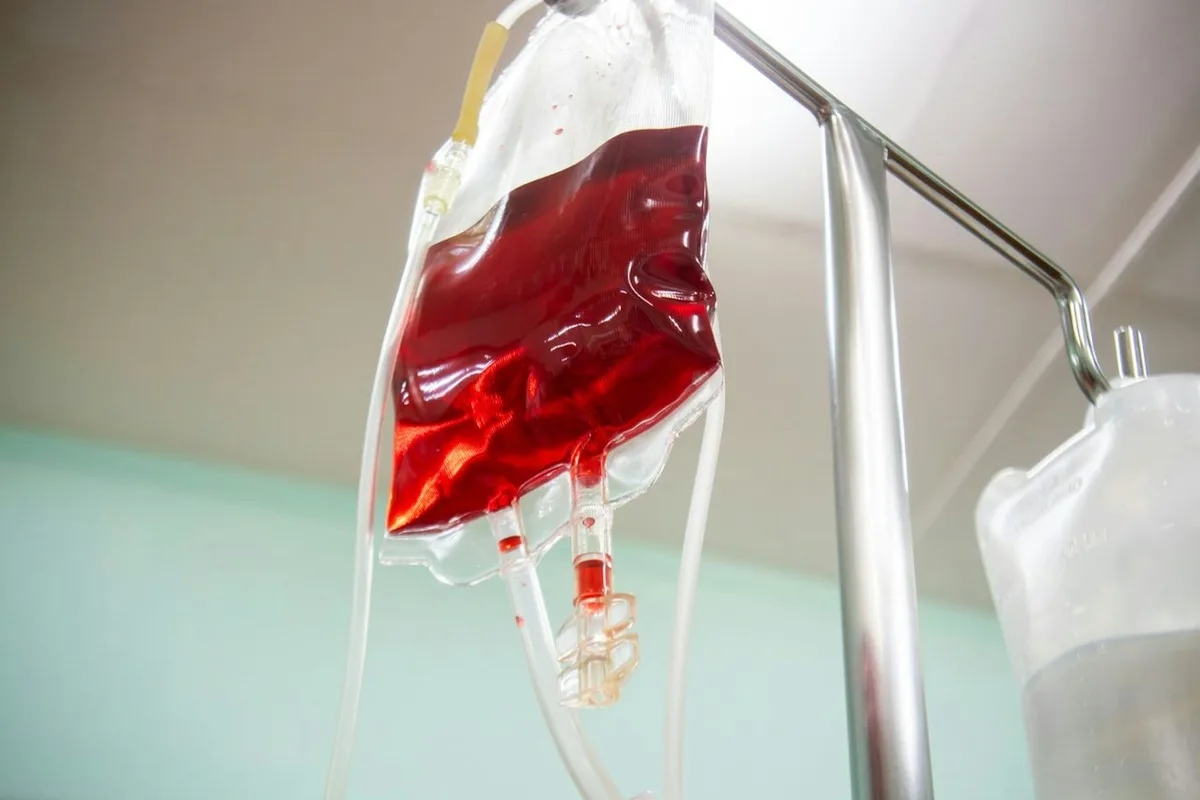
panumas nikhomkhai/Pexels From the 1970s to the 1990s, an estimated 3,500–8,500 Australians acquired HIV or hepatitis C through infected blood or blood products.
The exact number isn’t known and it may be substantially higher.
Many people likely died without knowing they had been infected.
Some people who acquired HIV through blood or blood products received financial settlements.
However many, particularly those who acquired hepatitis C virus through blood products, have not.
Those affected have therefore welcomed the newly announced Senate inquiry into the circumstances that led to infected blood entering the blood supply.
They, their partners, children, parents and carers will be able to give evidence.
Compensation will also be discussed.
Here’s what happened to Australia’s blood supply decades ago.
Before HIV and hepatitis C had names Today, Australia’s blood supply is nationally regulated .
Donors who are at higher risk of having infections that can be passed on to others during a transfusion are delayed from donating blood until it is deemed safe.
All donations are tested for blood-borne infections.
And blood products are treated before use to safeguard against any remaining, or as yet unidentified, disease-causing microorganisms.
But this was not always the case.
5News aggregated this summary from the outlet’s public feed. The full article, with all the context, is on theconversation.com — the content belongs to The Conversation Australia.