Lust and power: Foucault’s The History of Sexuality at 50
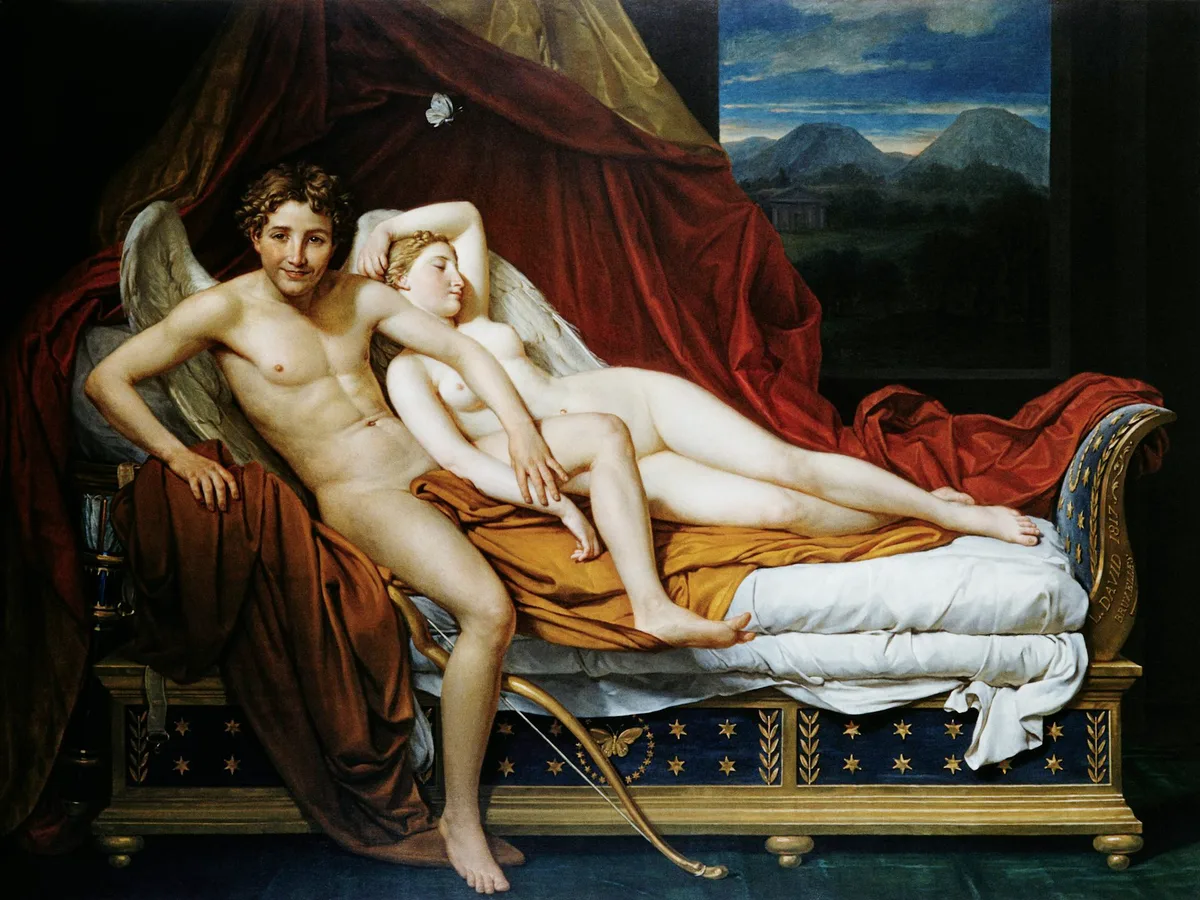
Cupid and Psyche by Jacques-Louis David.
Getty Images Fifty years ago, Michel Foucault published volume one of his monumental The History of Sexuality series, The Will to Knowledge .
Foucault’s four-volume work challenging ideas about sexuality in modern societies has had huge impact.
Goodreads In his writings during the 1970s, Foucault analysed the distinct features of modern power.
In contrast to earlier forms, modern power chiefly works, he argues, through forms of surveillance (sometimes built into the very architecture of the buildings we inhabit), with the ongoing monitoring and categorising of human beings and their behaviours.
In The Will to Knowledge, Foucault explores how modern ways of thinking about our sexual identities, desires and practices have become implicated in such forms of social surveillance and control.
Questioning ‘repression’ Michel Foucault.
Getty images In this volume, Foucault upends the idea that modern people suffer under the yoke of societal repression, which prohibitively crushes sexual self-expression.
On the contrary, modern societies, he suggests, think and talk about sex far more than our forbears ever did.
A key part of being modern, Foucault contends, has become the importance people assign to their sexuality in understanding who they are.
We do so, he argues, because we have internalised discourses from psychology, medicine and a range of other disciplines, which claim to tell us deep truths about ourselves and our desires.
As he writes: The West has managed not so much to annex sex to a field of reason … but to bring us almost entirely – our bodies, our minds, our individuality, our history, under the sway of a language of concupiscence and desire, whenever it is a question of knowing who we are … From the mid-19th century, he writes, our sexualities were studied within medicine, in concerns about nervous disorders.
They were analysed in psychology and psychiatry, in relation to “deviances” and neuroses.
Within penitentiary and justice systems, sexual offenders are monitored and categorised.
5News aggregated this summary from the outlet’s public feed. The full article, with all the context, is on theconversation.com — the content belongs to The Conversation Australia.