Can Australian businesses legally ban customers from using smart glasses?
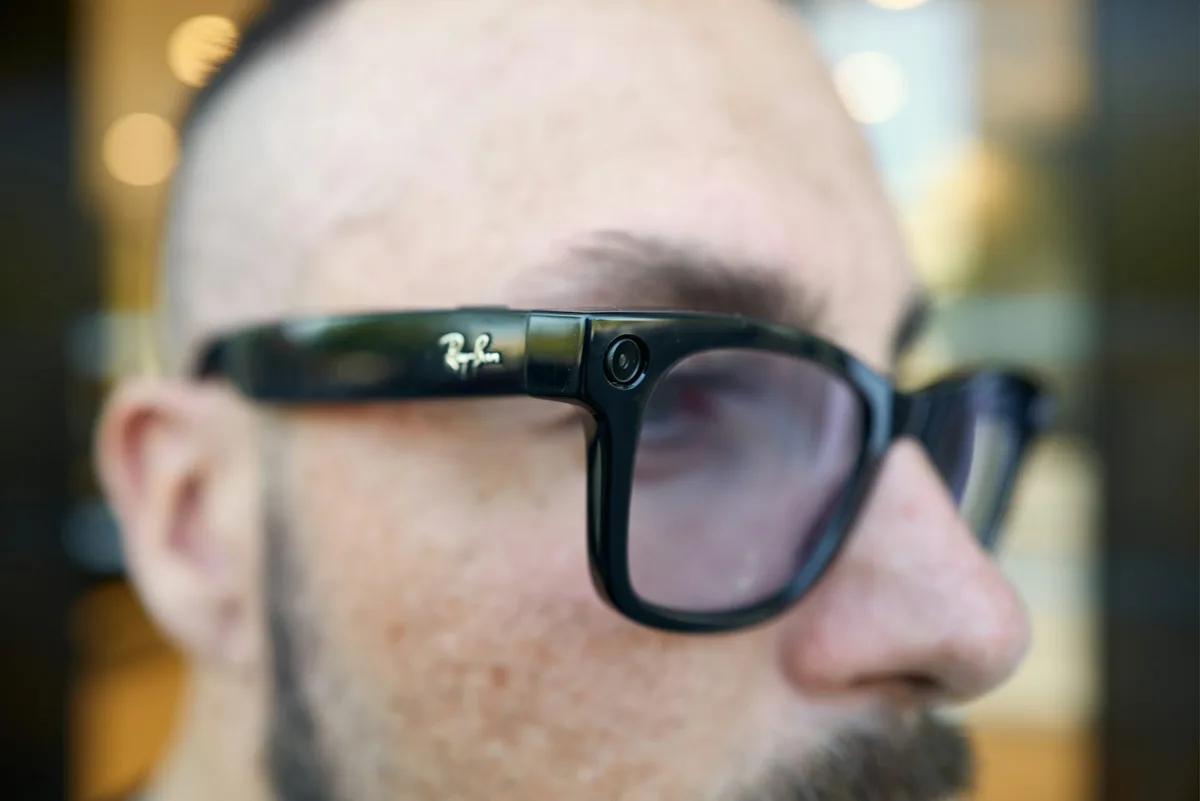
Pierre Crom/Getty Images Businesses and local councils around Australia are increasingly bringing in their own restrictions on “ smart glasses ”, responding to customers’ concerns about being covertly recorded in public places.
An Adelaide cafe recently banned smart glasses , citing safety concerns for vulnerable customers.
Last week, Brisbane City Council banned the non-consensual use of all camera-enabled devices, including wearable technology, phones and cameras, from 21 public swimming pools.
But businesses need to be careful about how they clamp down on smart glasses on their premises, because being too strict could break the law.
Business rules come with limits If a private business has their terms of entry at their door, when you enter you are bound by those terms.
Similarly, if you sign up to membership with them – such as joining a gym – that contract governs you.
Australian businesses can impose whatever terms they like upon consumers, provided those terms are lawful .
For example, a pub can refuse you entry if their rules prohibit torn or soiled clothing, and you are wearing ripped or dirty jeans.
A library can eject you if you are being disorderly and disturbing the quiet for other patrons.
But business terms that break the law are not enforceable.
Why outright bans are legally risky An outright ban on patrons using smart glasses, whether recording or not, threatens to violate anti-discrimination laws.
Smart glasses – including the best-known Ray Ban Meta glasses – can be fitted with prescription lenses .
Alternatively, someone might simply require smart glasses to support their vision.
In both cases, a blanket ban might constitute unlawful discrimination under Australia’s Disability Discrimination Act 1992 .
5News aggregated this summary from the outlet’s public feed. The full article, with all the context, is on theconversation.com — the content belongs to The Conversation Australia.