‘Spring queening’ time will be crucial for finding any surviving yellow-legged hornets
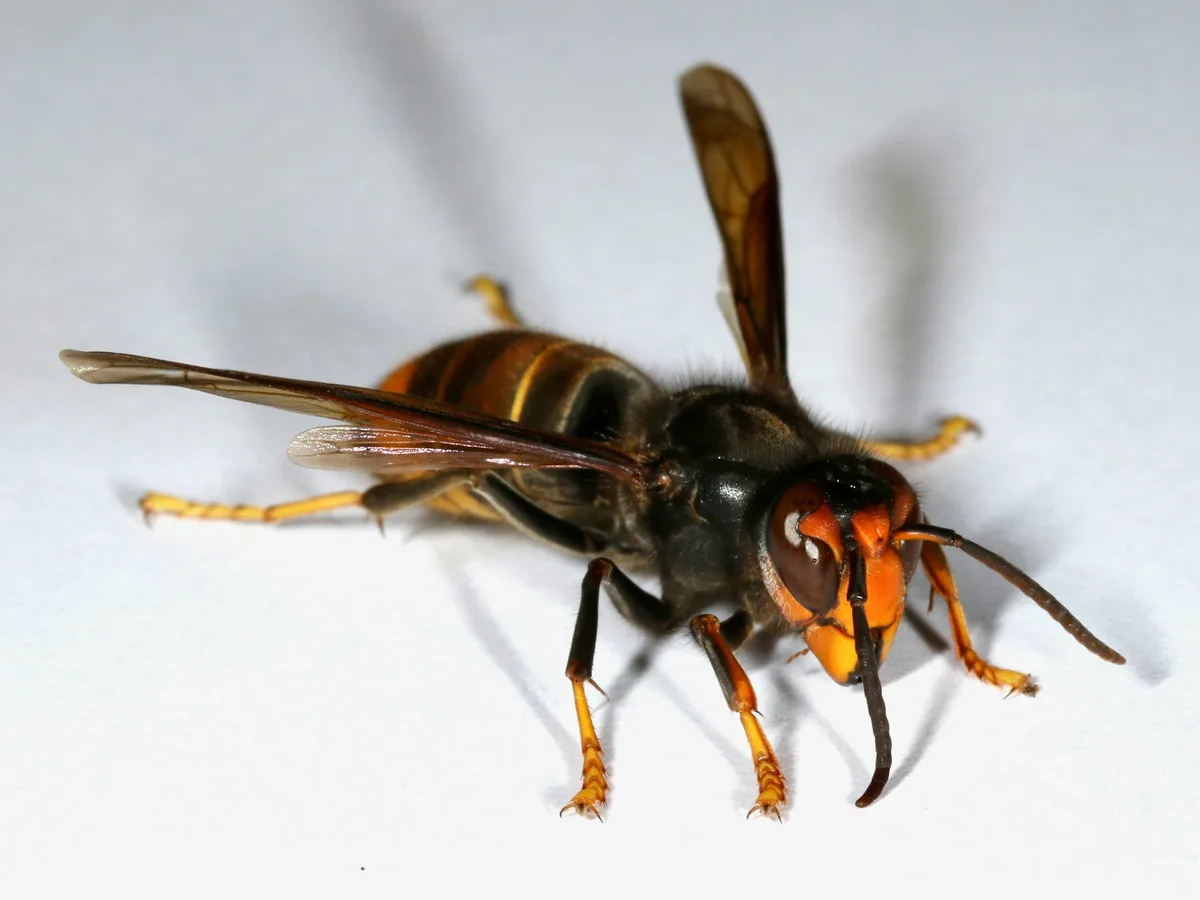
Phil Lester , CC BY-SA The next few months will help determine whether New Zealand has successfully eradicated the yellow-legged hornet, one of the world’s most damaging invasive pests.
The government invested more than NZ$12 million in the effort to find and destroy every last hornet.
Encouragingly, the last known nest was detected in late March and extensive winter surveillance, including trapping, and the monitoring of beehives failed to find any evidence that hornets remain.
There is cautious optimism at the Ministry of Primary Industries (MPI) and members of the technical advisory group that eradication was successful.
But the real test of success is about to begin, and it depends on ensuring no queens that may have survived the winter escape detection.
As our research shows, honey bees were a major component of the yellow-legged hornets’ diet and even a single surviving queen could set off a new incursion, with potentially devastating consequences for beekeepers.
Any surviving queens will be emerging now If any queens survived the winter undetected, they are likely to start waking from hibernation now.
This is a critical stage in the hornet’s life cycle.
Each autumn, a nest produces new queens that mate, store sperm and spend winter hidden away in sheltered locations.
In spring, those queens emerge alone and begin the task of building a new nest.
At first, the nest is surprisingly small.
Often hidden under house eaves, in hedges or among shrubs, an embryo nest may be no larger than a tennis ball.
The queen must do everything herself – collecting food, building the nest and raising the first generation of young.
For a brief window, the future of an entire colony depends on this single insect.
5News aggregated this summary from the outlet’s public feed. The full article, with all the context, is on theconversation.com — the content belongs to The Conversation Australia.