How bacteria hijack viruses to shuffle their own DNA
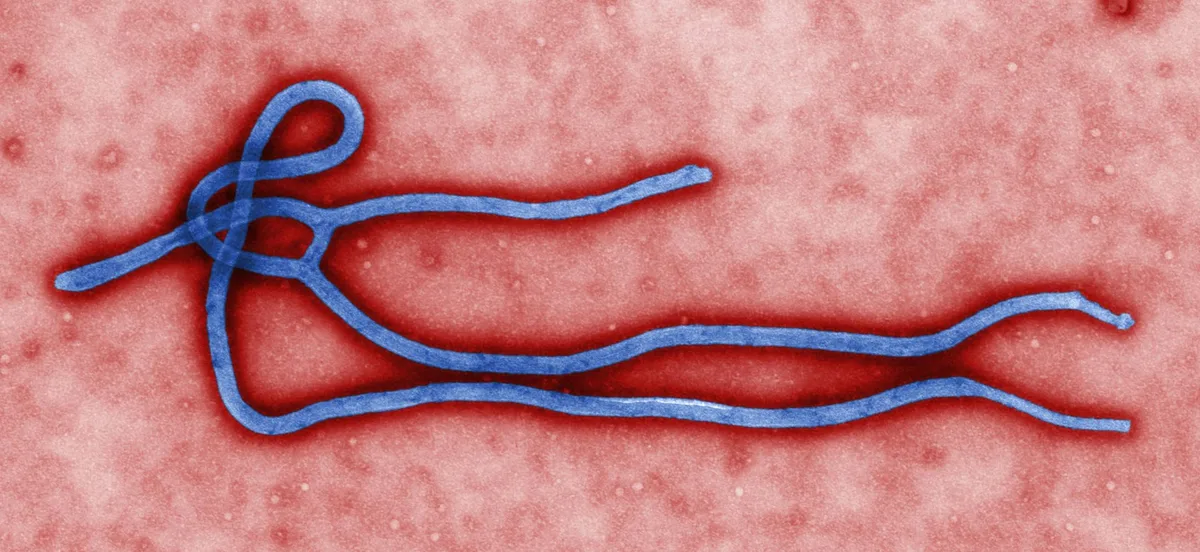
Humans can be infected by many viruses, including the Ebola virus pictured here.
However, the most diverse viruses are those that infect bacteria. (CDC/Cynthia Goldsmith/Wikimedia Commons) When you think of viruses, you probably think of flu-like symptoms and quarantines.
Humankind has suffered from viral diseases ranging from smallpox to COVID-19, hantavirus and Ebola since the dawn of recorded history.
However, all living organisms that are susceptible to viral infections, not just humans.
In fact, the greatest number and most diverse collection of viruses are those that infect bacteria.
Amazingly, some bacteria have transformed these infectious invaders into gene transfer agents (GTAs) that help them exchange genetic material among themselves.
This process is a type of horizontal gene transfer that allows genetic information to be shared among related bacteria rather than being restricted to inheritance by the offspring of a parent cell.
Because GTAs can empower bacteria to acquire new traits and spread disease-related genes, studying them may help unlock important applications in human health and biotechnology, including those that combat the spread of antibiotic resistance.
A recent study in Nature Microbiology , for example, pinpointed a cluster of genes that trigger bacteria to release GTA particles that can spread antibiotic-resistance genes.
Descendants of ancient viruses In 2000, we isolated GTA genes from the bacterium Rhodobacter capsulatus and analyzed the proteins that these genes instruct the cells to make .
We discovered that the proteins were very similar in structure to those found in a class of viruses known as “tailed phages.” This was the first evidence that a gene-transfer agent bears more than just a passing resemblance to a virus.
Subsequent studies showed that others are also derived from ancient viruses .
Since then, GTA genes have been discovered in a wide variety of bacteria, including the infectious agents responsible for cat-scratch fever and typhus , and abundant marine organisms .
New, advantageous traits A small, random sample of genes from the bacterium are packaged into a geometric-shaped protein structure that forms the head of a gene-transfer agent, while other proteins form a tube-like tail.
5News aggregated this summary from the outlet’s public feed. The full article, with all the context, is on theconversation.com — the content belongs to The Conversation Canada.