Scientists have identified a 'protein signature' in blood that could predict healthy aging
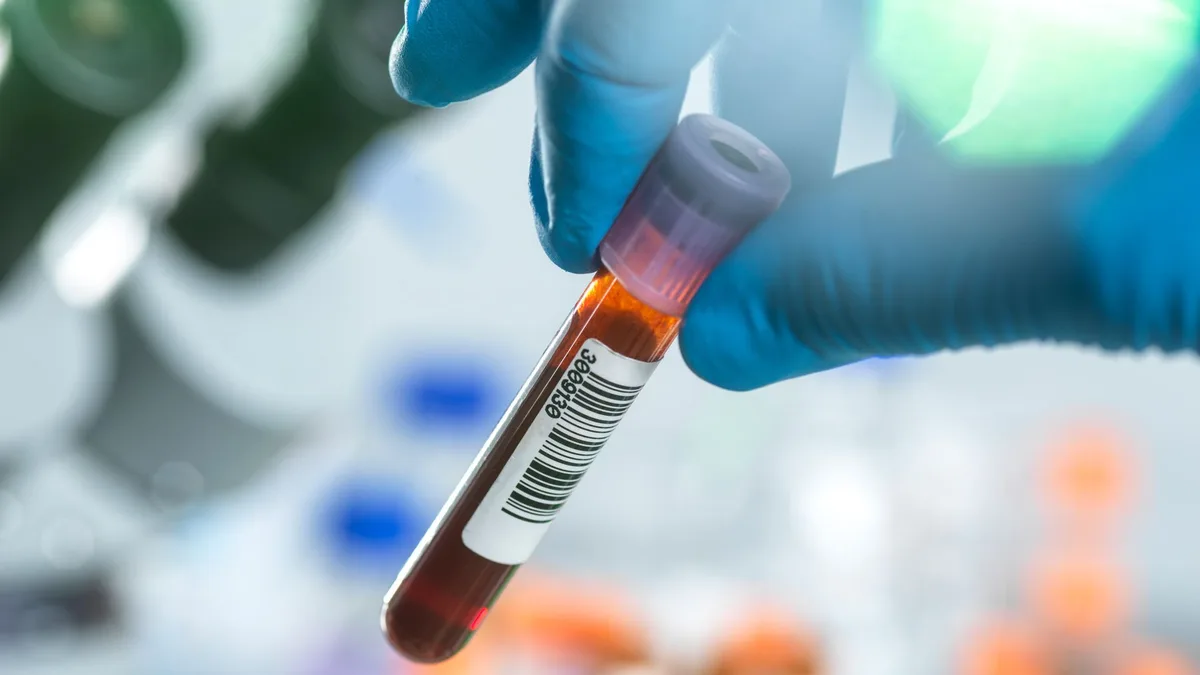
Two people born on the exact same day can age in totally different ways — one in relative health and the other with chronic disease.
Now, scientists have found a key difference in the immune systems of people who are more prone to age-related conditions, and it could help explain why some people remain healthier longer.
In young people, the immune system contains many naive T cells , a type of white blood cell.
Over time, exposure to pathogens and vaccinations transforms some of these T cells into memory cells , which can respond quickly to defend the body against germs.
These memory cells make different types of characteristic proteins, called granzymes, which kill infected cells.
They come in different "flavors," including granzyme K and granzyme B.
In a new study, published Friday (Oct.
9) in the journal Immunity , scientists found that individuals with more memory cells that make granzyme K than cells that make granzyme B tend to have healthier aging.
In the future, the balance of cells making granzyme K and granzyme B in a person's blood could be used as a test to determine "whether you're on the right trajectory of aging or not," study co-author Maxim Artyomov , an immunologist at Washington University in St.
Louis, told Live Science.
Hunting for a signature of healthy aging In earlier research , the same team found that, in old lab mice, granzyme K-making cells accumulated in several tissues and were linked to inflammation.
They also observed the same increase in granzyme K cells in blood samples from older adults.
In the new study, they uncovered another piece of the puzzle: a dynamic with granzyme B-producing cells.
They began by analyzing immune cells sampled from over 2,600 people ages 18 to 97, looking at the balance of granzyme K- and granzyme B-making cells.
5News aggregated this summary from the outlet’s public feed. The full article, with all the context, is on www.livescience.com — the content belongs to Live Science.