How housing victories in San Diego, Austin, and Atlanta could spread nationwide
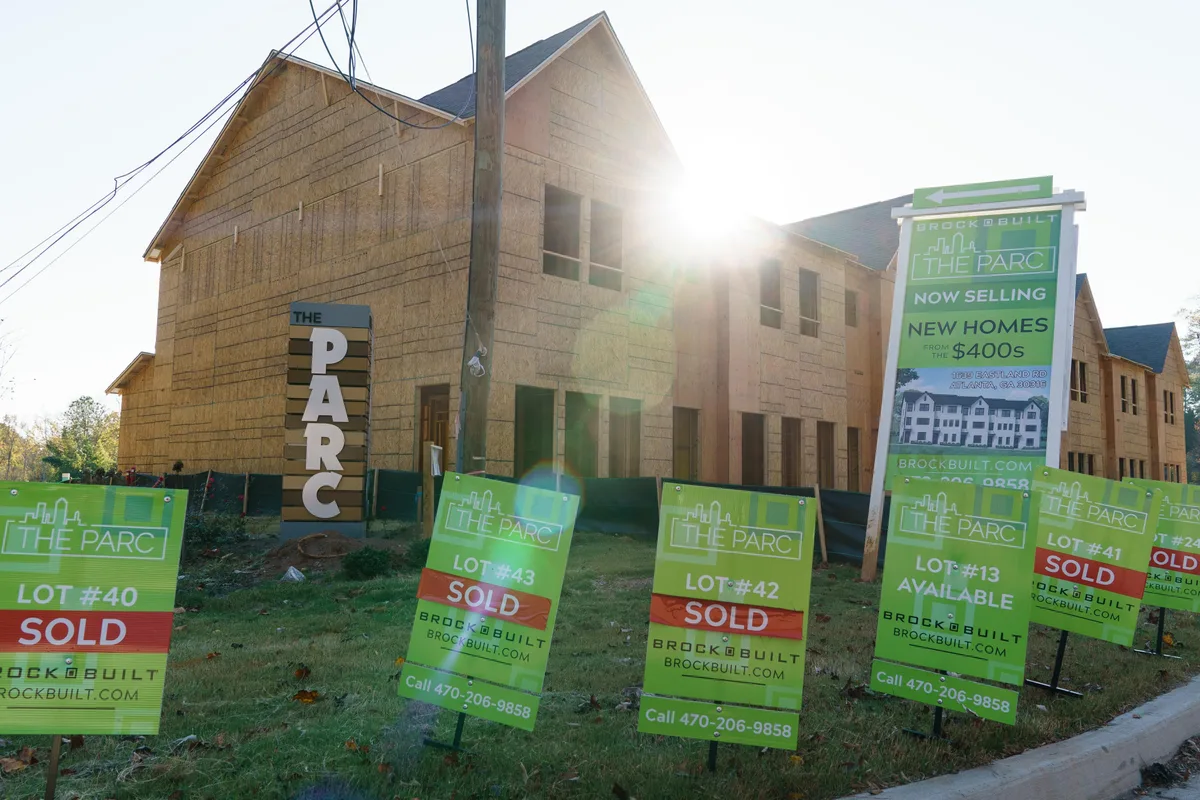
Atlanta Mayor Andre Dickens has helped advance the city’s broader effort to build or preserve 20,000 affordable homes by 2030. | Elijah Nouvelage/Bloomberg via Getty Images As rents and homelessness climbed in San Diego over the last decade, leaders watched in frustration as affordable housing projects took months to get approved.
The longer a project dragged on, the more expensive it became.
Housing in America is notoriously slow and complicated to build, so San Diego Mayor Todd Gloria decided to use one lever he had available.
In January 2023, he signed an executive order to speed up project approvals , so every fully affordable project now had to be reviewed in 30 business days or less.
To meet this new goal, San Diego had to overhaul how it had been handling permitting.
The city streamlined work that had been spread across multiple departments and filled positions it had budgeted for but left vacant.
Within a year, fully affordable projects were clearing review in nine days on average.
Citywide, 2023 marked San Diego’s biggest year for housing permits since at least 2005, with 9,691 homes approved, or an 82 percent jump from the year before.
Key takeaways Bloomberg Philanthropies is funding up to 30 cities to copy housing fixes that worked in San Diego, Austin, and Atlanta.
The bet is that cities lack the know-how to execute good ideas, not the ideas themselves.
It’s not clear what will happen to city capacity when the foundation funding runs out.
Austin, Texas embraced a different approach to tackling its housing shortage.
After years of local zoning reform, the city legalized up to three homes on most single-family lots in late 2023, then cut the minimum lot size from 5,750 square feet to 1,800 in 2024.
Those changes made it easier to add homes, including backyard accessory dwelling units (ADUs), and followed a broader construction boom that has helped bring rents down.
5News aggregated this summary from the outlet’s public feed. The full article, with all the context, is on www.vox.com — the content belongs to Vox.