Teenager's rare autoimmune disorder caused her to hallucinate a flying green dinosaur
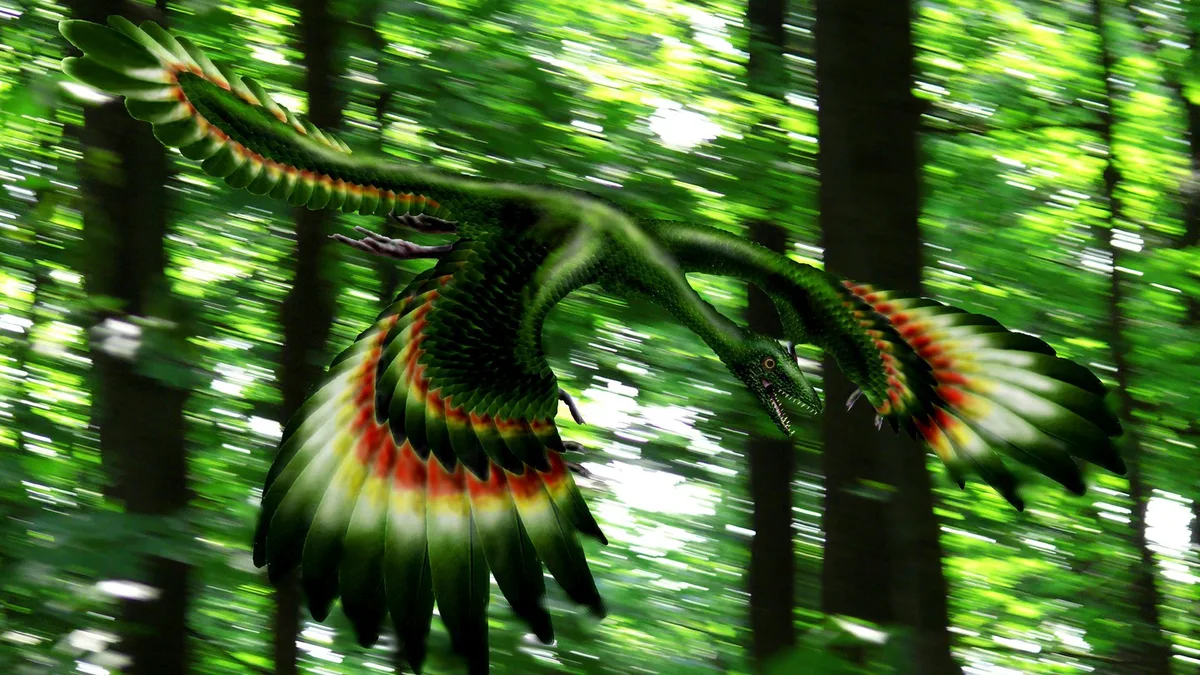
The patient: A 16-year-old girl in California The symptoms: The teenager was referred to an emergency department because she was having hallucinations, including seeing a flying green dinosaur and hearing voices telling her to hurt others.
She also had a sense that she was being followed.
In the emergency room, she was trembling and sweating and had a racing pulse and shallow, fast breathing.
She did not have a fever, although she did have one at the hospital that had referred her.
During her conversations with ER clinicians, the teen reacted to the vision of the dinosaur as though the creature were present in the room.
She reported that she had experienced these hallucinations since seventh grade, so for about four years.
While her parents countered that she hadn’t exhibited psychotic symptoms until 48 hours before they arrived in the ER, they noted that her interest in school and extracurriculars had waned over the past month.
What happened next: Because of the patient's abnormal vital signs, the ER doctors suspected that her hallucinations might be secondary to some physical ailment, such as trauma to the brain, they wrote in a case report .
However, a CT scan showed no signs of swelling or hemorrhage in her head.
The doctors attempted a lumbar puncture (also called a spinal tap) but failed to collect any cerebrospinal fluid that they could test for irregularities.
The doctors judged the girl to be too medically unstable to be referred to the hospital's psychiatric ward, so she was admitted to the general pediatric department.
Pediatric neurologists suggested an electroencephalogram (EEG), a test that measures electric signaling in the brain, but this revealed no further clues.
On her second day in the hospital, the girl entered a complete catatonic state .
Her specific symptoms were not described in the report, but in general, catatonia disrupts how a person processes and reacts to the world around them.
5News aggregated this summary from the outlet’s public feed. The full article, with all the context, is on www.livescience.com — the content belongs to Live Science.