OpenAI Launches ‘ChatGPT for Teens’ to Prevent Kids From Emotionally Bonding With Bots
OpenAI is hoping to turn ChatGPT into more of an educational tool—and less of an emotional support system—for underage users.
The company introduced “ChatGPT for Teens” on Tuesday, a new suite of safety guardrails and features designed to prevent the kinds of abuses that parents and teachers have been flagging for years. The age-specific mode will be turned on automatically for all users who self-identify as being between the ages of thirteen and seventeen, according to OpenAI. The company will also monitor certain indicators, such as the time of day the chatbot is used, to automatically flag underage users trying to fly under the radar. (OpenAI has a minimum age requirement of thirteen years for ChatGPT, but the company has had trouble enforcing that restriction.)
ChatGPT for Teens is being marketed as a healthy middle ground for underage users: “Teens should be able to use AI to learn, create, and explore,” OpenAI wrote in a blog post. “But that access should come with protections that reflect their developmental stage, reinforce real-world relationships, and support healthy use over time.”
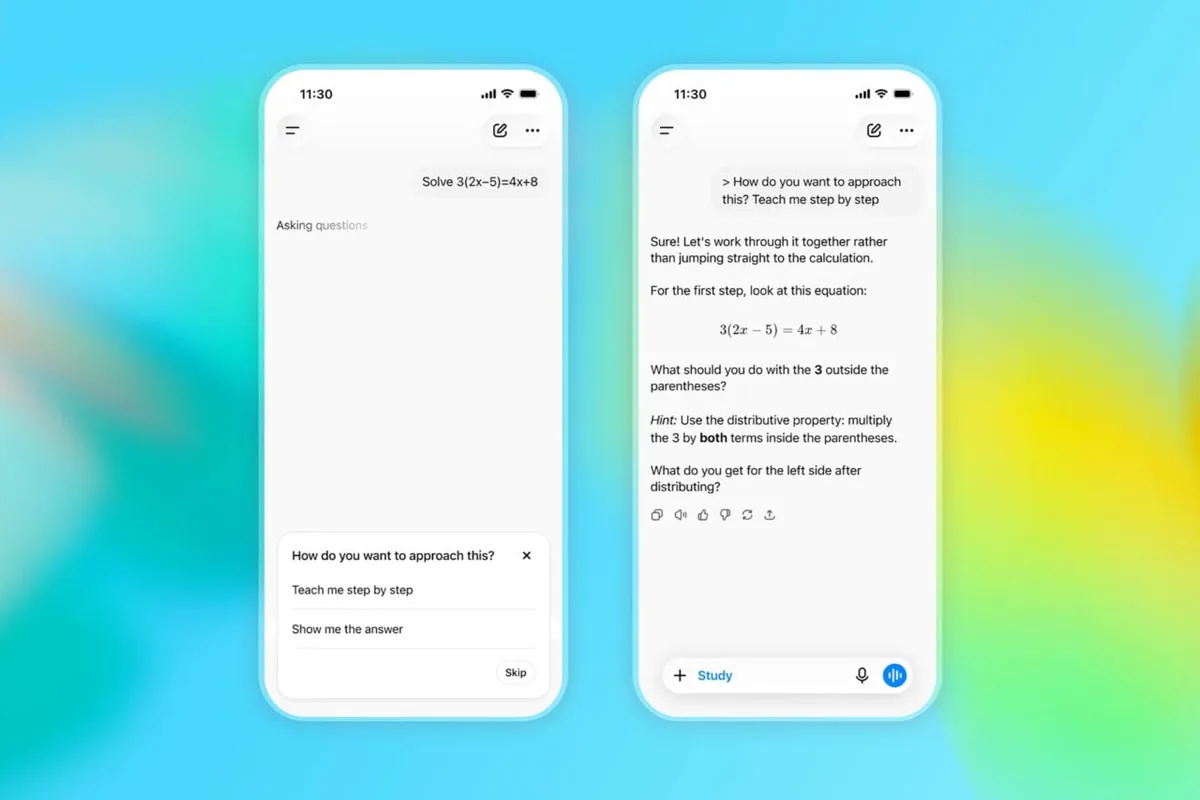
The age-specific mode includes a new “responsible homework reminder,” for example, which automatically detects when a teenage user is trying to get a quick answer from ChatGPT on a school assignment, and instead helps guide them through the problem step-by-step via the chatbot’s Study Mode feature. It’s also been designed to withhold sensitive content related to self-harm, eating disorders, sexual content, and other “high-risk areas,” according to OpenAI’s blog post.
One of the big promises of AI, at least according to the companies that have invested billions into building it, is that it will soon allow each of us to have 24/7 access to a personal assistant, health coach, tutor, and even a friend, all rolled into one. The problem is that things can often get much too personal.
Chatbots are trained to imitate human language and maximize user engagement—not truth or personal well-being. Many people, including teens, have as a result come to believe that these automated systems are in fact conscious entities, and formed emotional or even romantic connections with them. That’s sometimes had tragic consequences. Last year, OpenAI was sued by the parents of sixteen-year-old Adam Raine, who claim ChatGPT played a role in their son’s decision to take his own life.
Meta, the tech giant behind Facebook and Instagram, has also been at the center of mounting legal controversy: Starting Tuesday, the company will defend itself in court against legal cases raised by attorneys general from Colorado, California, New Jersey, and Kentucky, alleging it knowingly harmed the mental health of underage users. The states are seeking damages of up to $200 billion.
OpenAI says its new ChatGPT for Teens mode will make it less likely that underage users will form the kinds of emotional connections with chatbots that have landed the company in hot water in the past.
5News aggregated this summary from the outlet’s public feed. The full article, with all the context, is on gizmodo.com — the content belongs to Gizmodo.