NASA, IBM launch new AI model for studying the moon
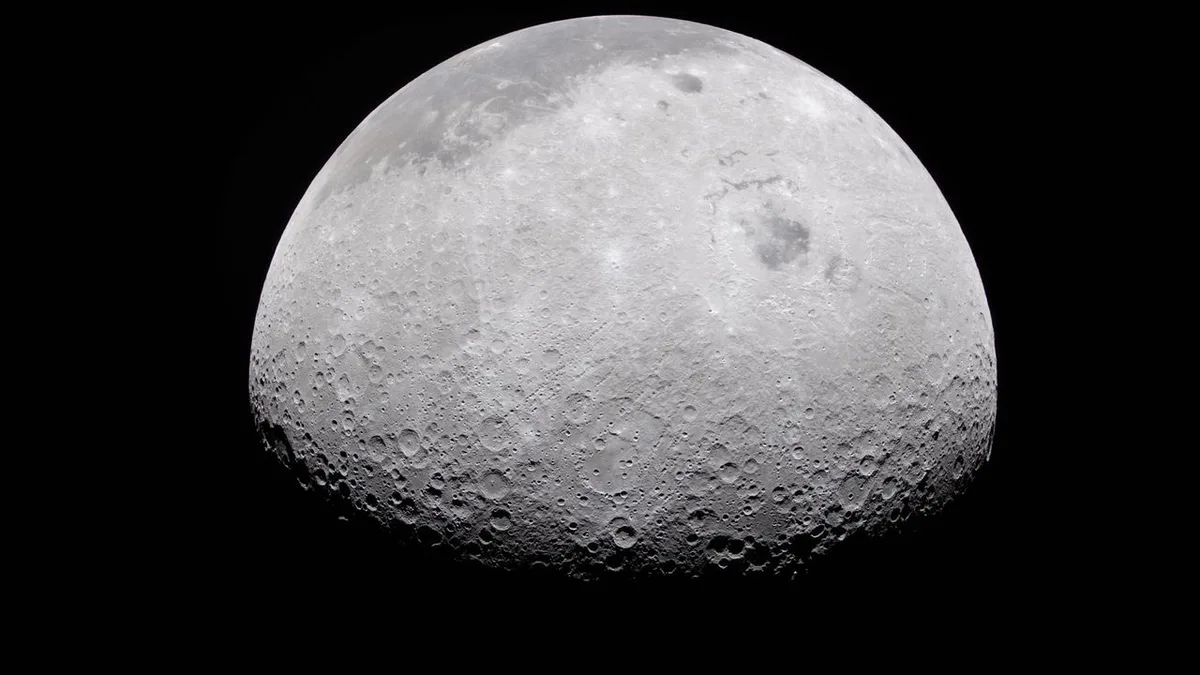
We've been studying the moon for a long time.
NASA has gathered mountains of data over decades of lunar missions and studies.
The data collected by the Lunar Reconnaissance Orbiter (LRO) alone, for example, exceeds that of all NASA's other planetary missions combined.
Analyzing all this information takes lots of time and effort from researchers.
So, NASA and IBM have developed an AI model to help sift through the moon data — an advance the agency announced on Thursday (Sept.
10).
The open-source model, called the NASA-IBM Lunar Foundation Model, is currently available for free at Hugging Face.
"NASA has spent decades building an extraordinary scientific record of the moon , but collecting data is only part of the job," NASA's Kevin Murphy, chief science data officer and acting chief data and AI officer, said in the announcement.
The new AI model can help researchers with tasks like mapping craters, finding young volcanic features, and modeling possible locations of water ice near the lunar poles, according to NASA.
In the announcement, Murphy said that NASA needs to make scientific data easier to explore and use.
To this end, NASA has been developing and releasing science-focused AI models with IBM.
Previous models include one focused on Earth observation and another for heliophysics.
This is part of a larger trend of AI use in planetary science .
Space agencies and private space companies around the world have been looking into how AI models can help with analysis to increase scientific productivity, reduce costs and streamline workflows.
5News aggregated this summary from the outlet’s public feed. The full article, with all the context, is on www.space.com — the content belongs to Space.com.