NZ’s new medicines fast-track promises quicker approvals. But what about access?
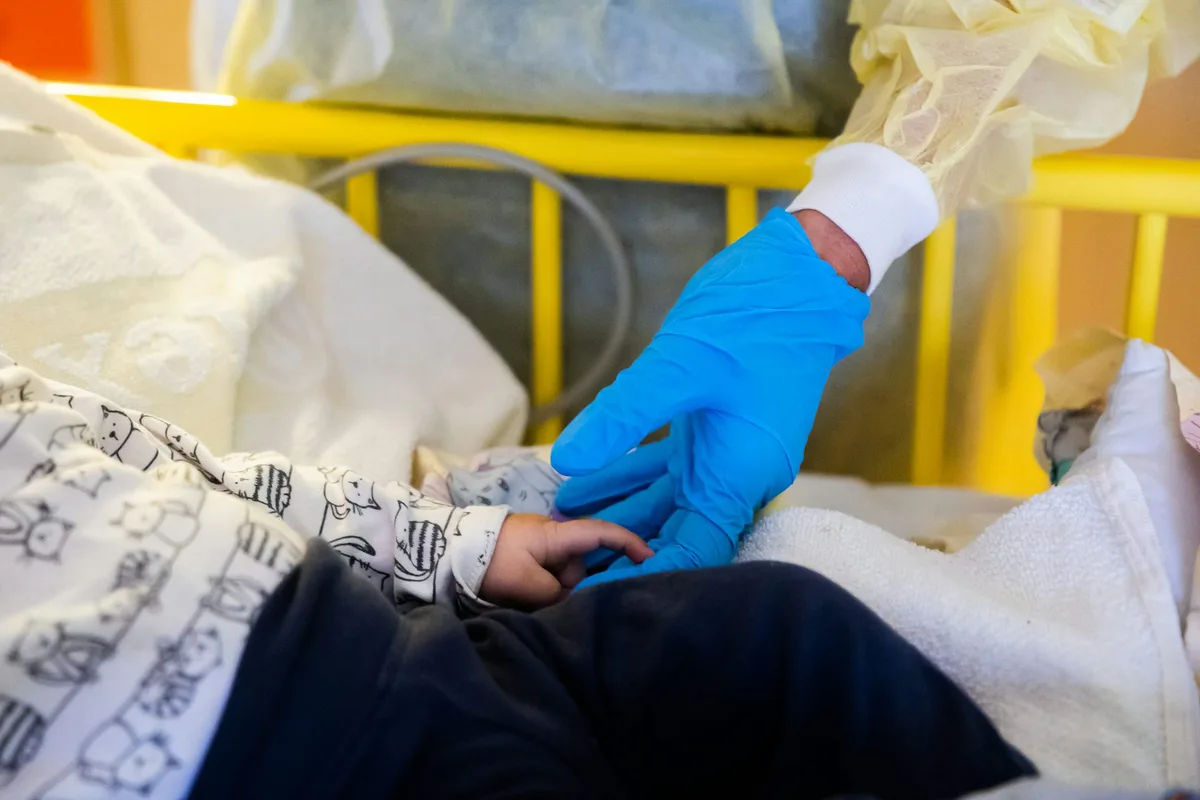
Christoph Soeder/Getty Images A surge in severe respiratory illness has been placing New Zealand’s hospitals under intense pressure over recent weeks.
While influenza has been the main driver, rhinovirus and respiratory syncytial virus (RSV) have also contributed to the unusually high patient load .
Babies and young children carry a disproportionate share of RSV disease.
In a typical year, around 1,800 to 2,000 children under five are hospitalised with RSV, about half of them infants.
Māori and Pacific infants, along with children living in deprived or crowded households, are disproportionately affected.
With this year’s increased RSV activity has come renewed calls for wider access to medicines which target the virus and are already used elsewhere.
Just this week, an online Horizon Research survey found 70% of respondents supported publicly funded RSV immunisation for eligible infants and during pregnancy.
This also comes at an important point for RSV prevention in New Zealand.
On July 23, Medsafe approved the ready-made antibody injection nirsevimab, sold under the brand name Beyfortus.
Pharmac has meanwhile placed it on its Options for Investment list .
New Zealand thus has an approved RSV preventive medicine without a publicly funded programme offering it to infants generally.
That gap provides a practical test of the government’s efforts to improve access to medicines.
Faster regulatory approval can help, but approval alone does not set a price, secure supply, fund a medicine or establish a programme to deliver it.
A faster pathway, with exceptions Several new RSV prevention options are now being used overseas.
5News aggregated this summary from the outlet’s public feed. The full article, with all the context, is on theconversation.com — the content belongs to The Conversation Australia.