Peptides are spreading on social media. Here’s how platforms can better protect public health
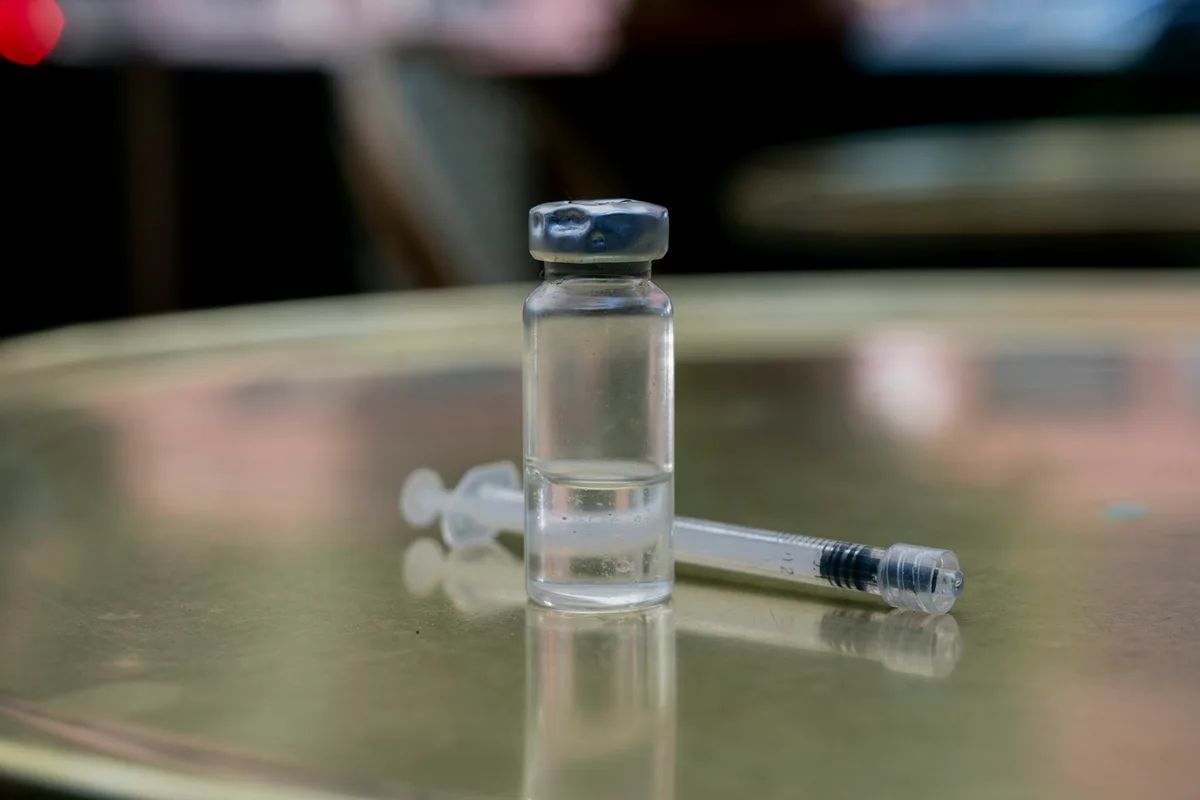
The Washington Post/Getty Images Scroll through social media these days and you’ll likely come across someone injecting themselves with a clear liquid, waxing lyrical about how it’s changed their body for the better, improved their recovery, or maybe their skin .
That magic substance is often (allegedly) a peptide , a short chain of amino acids, the same building blocks that make up proteins, that can be used to send specific instructions to cells in the body.
Some peptides, such as semaglutide (Ozempic) are legitimate prescription medicines.
Many being sold and promoted online are not – and can have serious health consequences.
Just this week, Australia’s Therapeutic Goods Administration revealed that a person who used an unapproved peptide suffered a potentially fatal torn oesophagus due to uncontrolled vomiting.
Peptide-related content is spreading fast on social media.
Which raises an important question: when a platform’s algorithm is actively promoting sellers, influencers and products to millions of people, how much responsibility does that platform carry for what happens next? What we know so far Recent research found more than 130,000 Instagram posts and over 230 million TikTok views of peptide-related content.
That’s not a drug market operating in the shadows; it’s playing out in plain sight, on platforms millions of people check every day.
This finding was echoed at a recent roundtable hosted by the University of Queensland focused on public health and peptides.
It brought together several representatives from a variety of organisations – researchers, clinicians, and people with experience using these products.
Social media came up repeatedly.
Stakeholders said social media is now one of the easiest ways to find out about peptides and to buy them.
But that ease of access comes without the information you’d normally get from person-to-person interactions – like what to do if something goes wrong when using these substances.
Read more: Where do peptides come from? We found out Attendees also raised a larger issue – many people using peptides don’t see themselves as “drug users” at all, and may be reluctant to seek help from healthcare services.
5News aggregated this summary from the outlet’s public feed. The full article, with all the context, is on theconversation.com — the content belongs to The Conversation Australia.