As AI reshapes jobs and workers change industries, employers need to be more flexible too
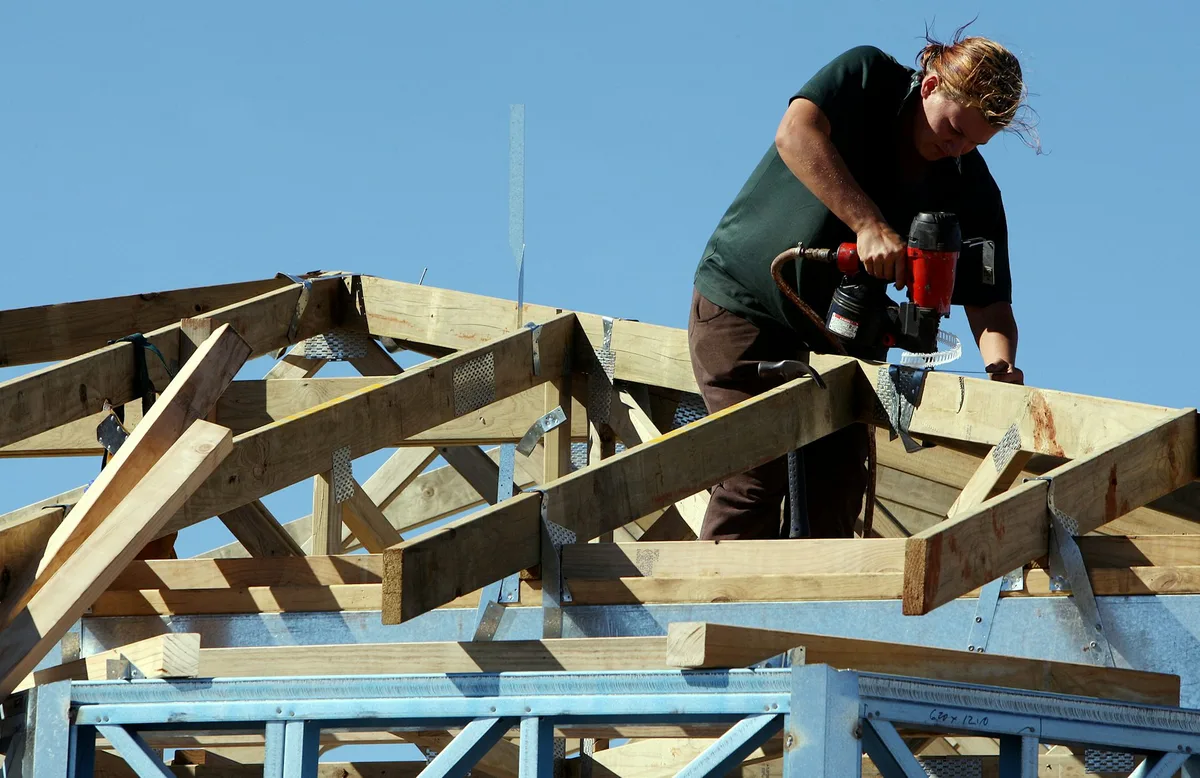
Greg Wood / AFP via Getty Images Artificial intelligence (AI) is changing the tasks people do at work and the skills they need.
As work changes, being able to move between jobs, and sometimes industries, may become increasingly important.
For women, the pressure to adapt may be particularly significant.
Jobs and Skills Australia has found women have greater exposure than men to automation and AI changes, largely because of the industries and occupations in which they work.
And while it doesn’t mean that jobs will just disappear, it does mean AI is likely to change how the jobs are conducted.
Many workers will need to learn new skills and adapt; others may need to move into different jobs or industries altogether.
Much of this discussion about transition currently focuses on workers – they need to reskill, retrain and become more adaptable.
But there’s another side to this story.
Employers across industries may also need to become more flexible in how they decide what experience really matters.
Changing industries doesn’t mean starting again Our research with women who successfully moved into construction from other unrelated industries suggests employers will also need to adapt, particularly in how they recognise experience gained in other sectors and industries.
Changing industries does not mean starting from zero.
We studied 655 women working in Australian construction companies.
Some had started their careers in construction, while others had moved there from health care, education, transport, finance, hospitality or manufacturing.
Those career changers brought many skills developed over the years, including management, communication, collaboration, coordination and experience.
5News aggregated this summary from the outlet’s public feed. The full article, with all the context, is on theconversation.com — the content belongs to The Conversation Australia.