The case for NZ joining the UK in sanctioning Israel over illegal West Bank settlements
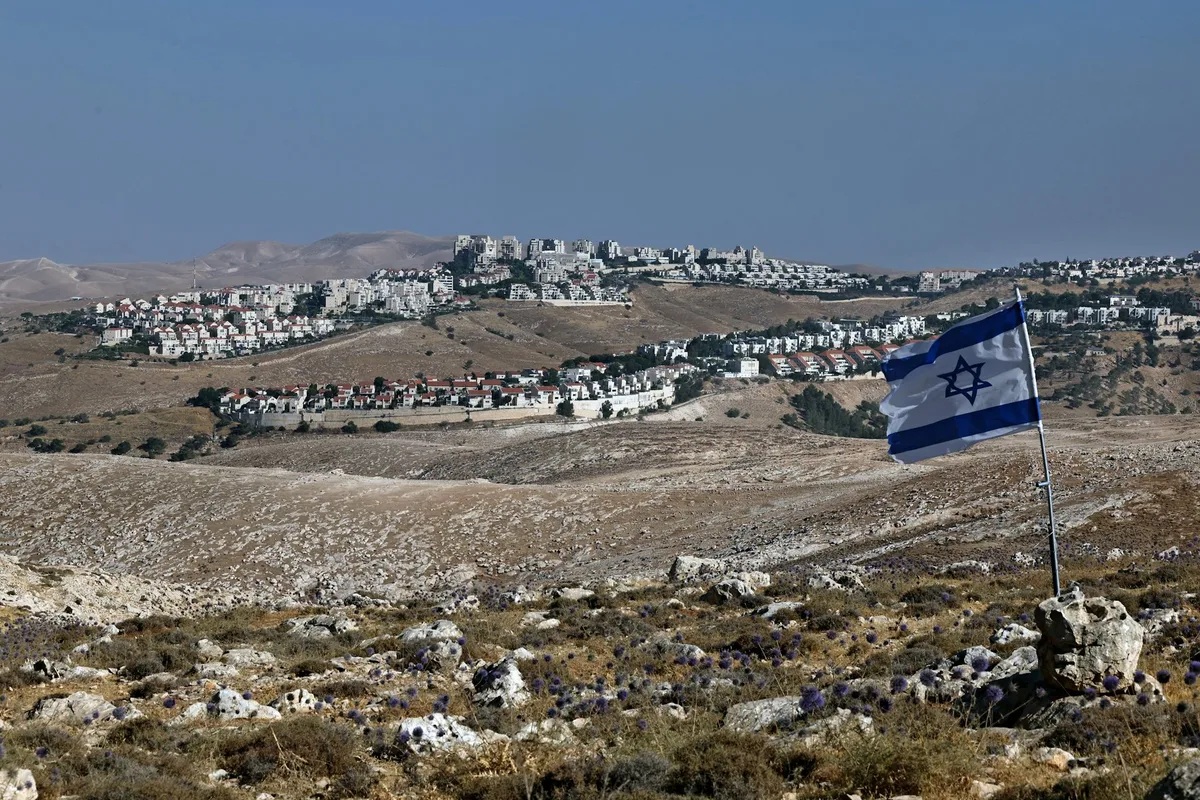
Ahmad Gharabli/AFP via Getty Images The New Zealand government has so far declined to join the United Kingdom and announce sanctions on goods produced in illegal settlements in the Occupied Palestinian Territories.
The UK is one of 12 countries , including France and Canada , which have announced similar trade restrictions or an intention to do so.
The goal is to rescue an eventual two-state solution for Israel and Palestine.
The sanctions are in response to what UK Foreign Secretary David Miliband described as “ethnic cleansing of Palestinians […] perpetrated by settler terrorists”, with the Israeli military “ complicit ” in those actions.
While condemning the increase in illegal settlements, a spokesperson for Foreign Affairs Minister Winston Peters said New Zealand “has not traditionally used trade measures to address foreign policy issues”.
To do so would be complex and require a full policy process.
We are not in a position to do that ahead of the election.
The official response to the UK initiative can be questioned on several grounds.
First, New Zealand has used trade measures in the past to address foreign policy issues, most notably against Russia over its invasion of Ukraine.
Imports of gold, oil and gas are prohibited and there is a 35% tariff on all imported Russian goods.
Second, while New Zealand needs to adopt special legislation to impose sanctions outside the United Nations regime, the Russian Sanctions Act – passed in 2022 just three weeks after the invasion of Ukraine – shows it can be done swiftly.
The precise nature of the sanctions may be complex to implement, as the UK has acknowledged .
But the intent comes first.
Third, the proximity of a general election should not prevent New Zealand complying with its obligations under international law – especially when the opposition Labour Party has indicated it strongly supports adopting sanctions.
5News aggregated this summary from the outlet’s public feed. The full article, with all the context, is on theconversation.com — the content belongs to The Conversation Australia.