Meet the scientists 3D printing corneas to restore people's vision, potentially filling a worldwide shortage of transplantable tissue
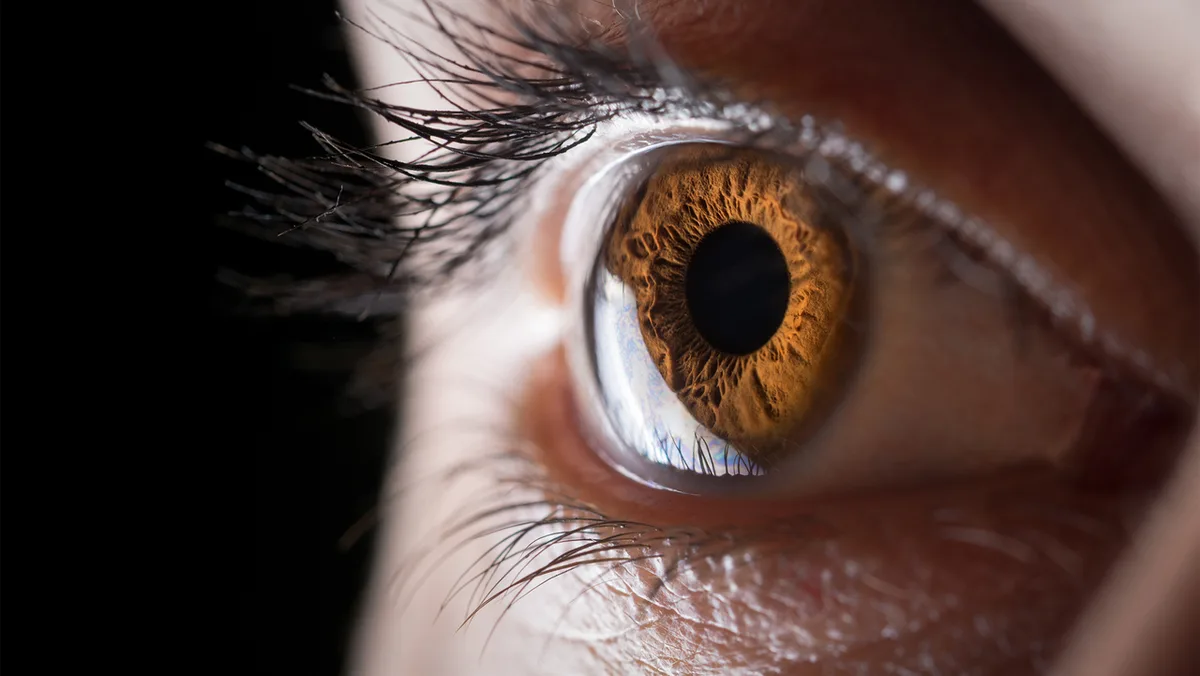
Last year, scientists achieved a historic first by providing a patient with the first-ever corneal implant made solely of human cells grown in the lab.
Corneal transplants are used to treat severe corneal scarring and inflammation, eye injuries and complications from eye surgeries.
They replace the clear dome at the front of the eye, and usually, the tissues for the procedure are collected from organ donors after death.
But in this case, one donor's corneal tissue was used to create hundreds of implants through sophisticated laboratory culture techniques and 3D bioprinting.
This technology, created by Precise Bio, an Israeli regenerative medicine company also based in North Carolina, produces a transparent, layered structure that resembles a healthy, natural cornea.
The approach could help to reduce the scarcity of donor corneas worldwide, the company says.
An early-stage trial, known as a Phase I trial, is currently underway to evaluate the technique's safety in human patients.
To learn more about the science behind the 3D-printed corneas and the next steps for development, Live Science spoke with Precise Bio co-founders Aryeh Batt and Dr.
Anthony Atala .
Neelanjana Rai: How are most corneas for transplants sourced and prepared, currently? Anthony Atala: They are typically recovered from deceased donors within a few hours of death and then banked.
They go through screening and testing, and are then preserved until implanted — usually within a couple of weeks — before being transplanted to patients in need.
NR: Are there problems or limitations with this approach? AA: Absolutely.
In fact, availability is a major challenge.
There is a very limited donor supply and a significant worldwide shortage of transplantable corneas, meaning a lot of patients lack access to corneas for implantation, which is a huge deficit.
5News aggregated this summary from the outlet’s public feed. The full article, with all the context, is on www.livescience.com — the content belongs to Live Science.